

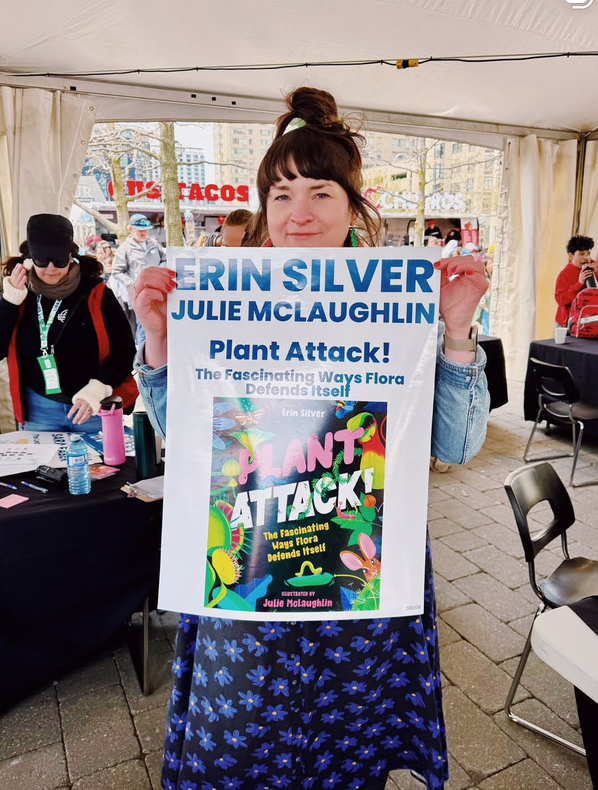
Some of the most extraordinary science discoveries are hiding in plain sight, waiting for curious young readers to uncover them in the natural world. Whether exploring a backyard garden, visiting a local park, or learning about ecosystems in the classroom, nonfiction books can help children see familiar plants and animals in entirely new ways. Canadian author Erin Silver does exactly that in Plant Attack!: The Fascinating Ways Flora Defends Itself, an engaging nonfiction title published by Orca Book Publishers and recognized as a Silver Birch Express Honour Book in the 2026 Forest of Reading program for Grades 3 to 4. Perfect for educators, librarians, and parents looking to expand students' nonfiction reading lists, this inventive Canadian book blends science, discovery, and humour to reveal the astonishing ways plants protect themselves. Keep reading for our exclusive interview with Canadian author Erin Silver.
Parents and educators looking to nurture curiosity, critical thinking, and environmental awareness will find plenty to love in this fascinating nonfiction read - especially with World Environment Day on June 5. As young readers prepare for summer adventures outdoors, Plant Attack! offers a wonderful opportunity to connect literacy with real-world exploration, helping children see the plants around them through a scientific lens. The science tutoring team at Teachers on Call recommends this book because it introduces science, technology, engineering, and mathematics (STEM) concepts in a playful, memorable way while encouraging students to explore biodiversity, ecology, plant science, and environmental stewardship. Paired with current conversations around ecological education in Canada, including initiatives highlighted by Nature Canada and the federal government’s work on climate literacy education, this book provides a meaningful way to keep learning alive over summer break.
Why Canadian Students Love the Forest of Reading
Canada’s largest recreational reading program continues to inspire generations of young readers through its celebration of outstanding Canadian literature. Created by the Ontario Library Association, the Forest of Reading invites students across the country to read nominated Canadian titles and cast their votes for their favourites from categories in both English and French. This unique student-powered model empowers children to engage deeply with books while recognizing that their voices matter. The program culminated this spring at the Forest of Reading Festival at Toronto’s Harbourfront Centre (235 Queens Quay West, Toronto, ON M5J 2G8), where thousands of students gathered alongside educators and Canadian authors to celebrate their shared love of reading and recognize this year’s outstanding nominated books. Check out our recap blog where we share all the winners and Honour Books from the 2026 Forest of Reading Festival!
About the Author: Erin Silver
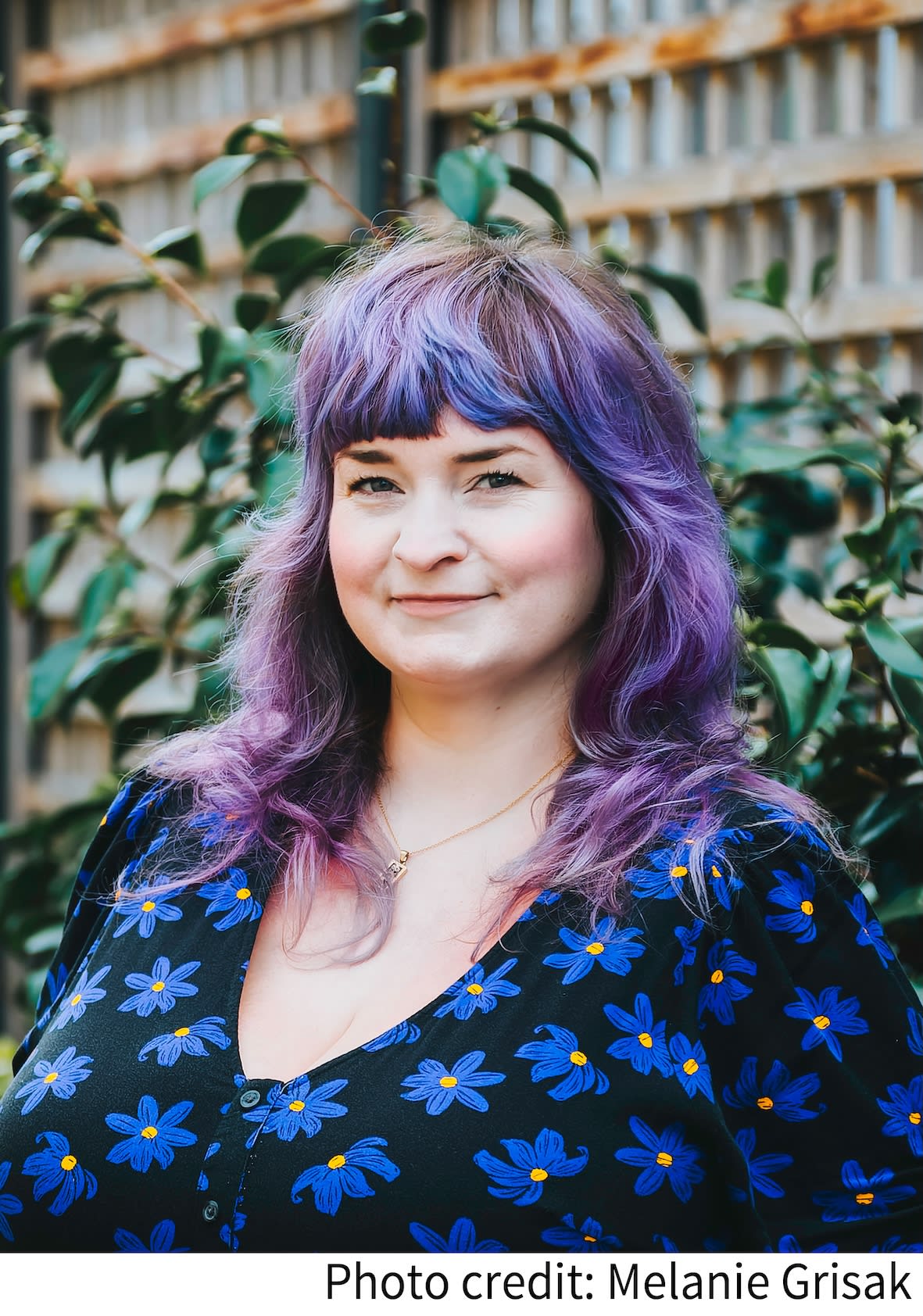
Toronto-based Canadian author, Erin Silver, is an award-winning children’s writer and freelance journalist whose work spans more than 30 books. Her nonfiction titles explore science, environmental issues, social topics, and Canadian stories with creativity and accessibility. Erin’s books have received widespread recognition, including multiple literary award nominations and honours. With a background in journalism and creative nonfiction, she has built a reputation for making complex ideas engaging and approachable for young readers across Canada and beyond.

About the Illustrator: Julie McLaughlin
Victoria, British Columbia-based illustrator Julie McLaughlin is an acclaimed Canadian freelance illustrator whose vibrant work has appeared in more than 70 book covers and numerous children’s titles. Her award-winning illustrations are known for their warmth, detail, and energy, making scientific concepts visually exciting and highly accessible for young readers. Originally from the Prairies and now living on Canada’s West Coast, Julie brings a distinctly Canadian artistic perspective to every project.
About the Book
Plant Attack!: The Fascinating Ways Flora Defends Itself introduces readers to 15 remarkable plants and the surprising ways they protect themselves from predators. From the famously foul-smelling corpse flower to exploding touch-me-not balsam seed pods, the book uncovers bizarre and fascinating plant defence mechanisms that challenge what many children think they know about nature. Through lively explanations and eye-catching illustrations, this spoiler-free nonfiction title transforms botany into an unforgettable STEM adventure.
Exclusive Interview with Erin Silver
Plant Attack! explores the surprising and sometimes bizarre ways plants defend themselves. What first sparked your curiosity about this topic, and what made you want to share it with young readers?
I wrote the book Mighty Scared, about how animals defend themselves. It was a cool new way of looking at the incredible ways animals behave when they’re scared. So, when I was hiking in Arizona and started noticing all the cactus plants, I realized their prickles were how they defended themselves. It led me down a rabbit hole! Before I knew it, I had a whole list of amazing ways various plants protect themselves. I couldn’t wait to share Plant Attack! with readers who had already discovered or who would soon discover Mighty Scared!
The book is full of fascinating examples, from exploding seed pods to plants that smell terrible to survive. How did you choose which plants to include?
Some were musts, like the exploding touch-me-not balsams and stinky corpse flowers. I had never heard of these before. I also wanted to make sure I highlighted plants with a variety of defense mechanisms, plants from around the world and plants that kids have heard of and also never heard of before. I had to map it all out to make sure I had the right cross section of cool plants. It took a while, but we got there in the end!
How can teachers use Plant Attack! in the classroom to support STEM learning and get students excited about the natural world?
I honestly never knew that plants could be so exciting. If I was giddy about my research, I knew I could communicate my passion for the natural world in a way that would resonate with readers. I also know that students in elementary school learn about the natural world, how plants grow and evolve, and our role as stewards of the planet. I think that giving a resource like Plant Attack! to teachers and parents makes teaching and learning more fun. It’s a chance to enhance their lesson plans and approach the topic of plants in a new, original and relatable way. I also love to develop activities and post them on my website for free for some extra fun. I hope teachers will go to my website and take advantage of the educational resources I post for them!
Your book blends humour with scientific information. How do you strike a balance between being informative and keeping readers entertained?
This is always the fun challenge for me as a children’s nonfiction writer and I always try to rise to the occasion! After all, learning is more interesting when it’s funny. Humour helps kids remember what they’re learning, and it enables them engage with the material in new ways.
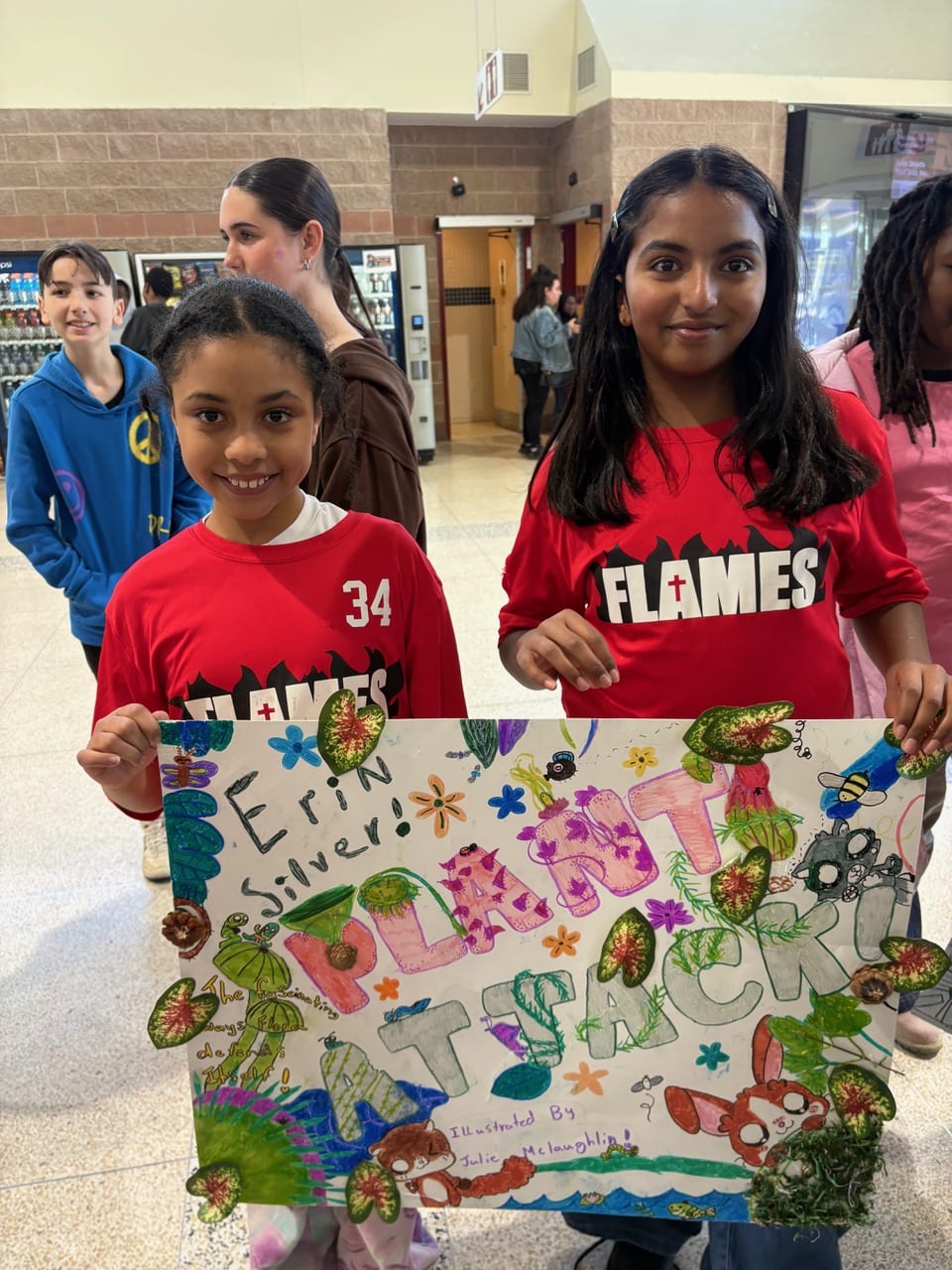
When I present Plant Attack! at schools and libraries, I make it interactive and incorporate drama so that kids have fun new ways to interact with the book. My goal is to make learning so fun that they don’t realize how much they’ve learned.
Julie McLaughlin’s illustrations add so much personality and energy to the book. How do the visuals help bring these unusual plant defenses to life for young readers?
Julie is one of my favourite illustrators! She did an incredible job making the pages bright and vibrant. Plant Attack! is so engaging thanks to the colourful illustrations she created. It’s the kind of book you want to look at over and over again to notice all the fun details. She really made the words and plants come alive!
You have written many nonfiction books about science, the environment, and real-world issues. What draws you to these topics when writing for children?
I have a background in journalism and an MFA in creative nonfiction, so I’m instinctively drawn to nonfiction. I love researching, interviewing experts and writing about important topics in unique ways. I make a point of using tools like humour, fun facts, charts, graphs and other visuals to help convey information to readers. I also have two boys and lots of nieces and nephews, so I get to keep my finger on the pulse of what kids are learning and interested in!
For parents and educators, how can this book help start conversations about ecosystems, biodiversity, and the importance of protecting plant life?
Reading about our incredible natural world makes us want to learn more, which in turn enables us to relate to topics in meaningful ways. That helps us feel responsible for taking care of it. I also think that knowledge is power, so having readers feel informed, inspired and empowered is also really important when it comes to talking about protecting not just plant life, but animals, the planet and each other as well.
You visit schools, libraries, and conferences across Canada. Is there a favourite place where you like to write or find inspiration for your next book?
I love travelling and visiting schools and libraries. I get inspired when I meet kids and see new places. But inspiration can strike at any time. Once I was stuck in traffic and began to think. It led to my book Rush Hour, about sustainable transportation. Another time I looked in my fridge and got worried about how we’d eat the food before it went bad. This led me to write a book about food waste. Inspiration can come from the most mundane places. You just have to keep an open mind and stay curious.
What is next for Erin Silver?
I have two new books coming out with Orca that I’m really proud of. I can’t wait for these to be available, so stay tuned for more! I also have other manuscripts in various stages of research, writing and brainstorming. I love my job so much that I’m always staying curious and busy! I hope people will visit me on my website to see what I’ve been working on lately and what’s upcoming.
~
Whether encountered in the classroom, at the library, or during everyday explorations of the natural world, Plant Attack! offers an inspiring reminder that learning can happen everywhere. Erin Silver has created a joyful and surprising celebration of science that encourages children to look more closely at the plants around them and ask deeper questions about how living things survive and adapt. For young readers eager to combine nonfiction reading with STEM discovery, this Silver Birch Express Honour Book is a valuable addition to any home, classroom, or school library collection.
Looking for even more Canadian books that spark curiosity about science and the natural world? Be sure to read our interview with Elizabeth Davaze about her Forest of Reading nominated book, The Weedflower. Young science enthusiasts may also enjoy Chomp-O-Rama by author Maria Birmingham and Dogs vs. Humans by author Stephanie Gibeault.
Related Articles View All
Forest of Reading 2027 Nominees Announced: Discover Canadian Children’s Books in English and French
The Forest of Reading 2027 nominees are here! This year’s lineup celebrates diverse Canadian authors and illustrators from coast to coast, with books in English and French for readers of all ages. Explore the full list and discover which stories students across Canada will be reading—and voting for—this spring.
From Stop-Motion to Stories of Freedom: Family Learning at Doors Open Chatham-Kent
Explore stop-motion animation, Black history, art, nature and more at 13 Doors Open Chatham-Kent sites offering family-friendly learning across the region.
From the High Arctic to a Historic Schoolhouse: Family Learning at Doors Open Quinte West
Explore the High Arctic, aviation history, dinosaurs and more at 10 Doors Open Quinte West sites offering hands-on learning for the whole family.
