

For families and classrooms across Canada navigating conversations about identity, language, and confidence, stories that centre on finding one’s voice can be especially powerful. They remind young readers that the way we speak is deeply connected to who we are, and that confidence often grows through self-acceptance and courage. In Salma Speaks Up, the fourth book in the Salma series, Vancouver-based author Danny Ramadan, alongside fellow Vancouver illustrator Anna Bron, continues the story of a young Syrian refugee navigating life in a new country. Nominated for the 2026 Silver Birch Express Award and published by Annick Press, this engaging early chapter book, ideal for readers ages 6–9 (Grades 1–4), introduces new challenges as Salma supports her friend Riya while learning to stand up for herself and others. Keep reading for our exclusive interview with the author, Danny Ramadan.
Parents and educators will appreciate how Salma Speaks Up creates space for meaningful conversations about identity, inclusion, and confidence in both classroom and home settings. As we reconnect with Danny Ramadan following our previous interview on Salma Joins the Team, this latest instalment offers an even deeper look at Salma’s growth and the challenges she faces as a newcomer to Canada. Through relatable experiences, the story gently explores themes of bullying, emotions, and belonging, while encouraging young readers, especially new Canadians, to reflect on fairness, empathy, and the importance of respecting different ways of speaking and expressing oneself.
Why the Forest of Reading Inspires Young Voices Across Canada
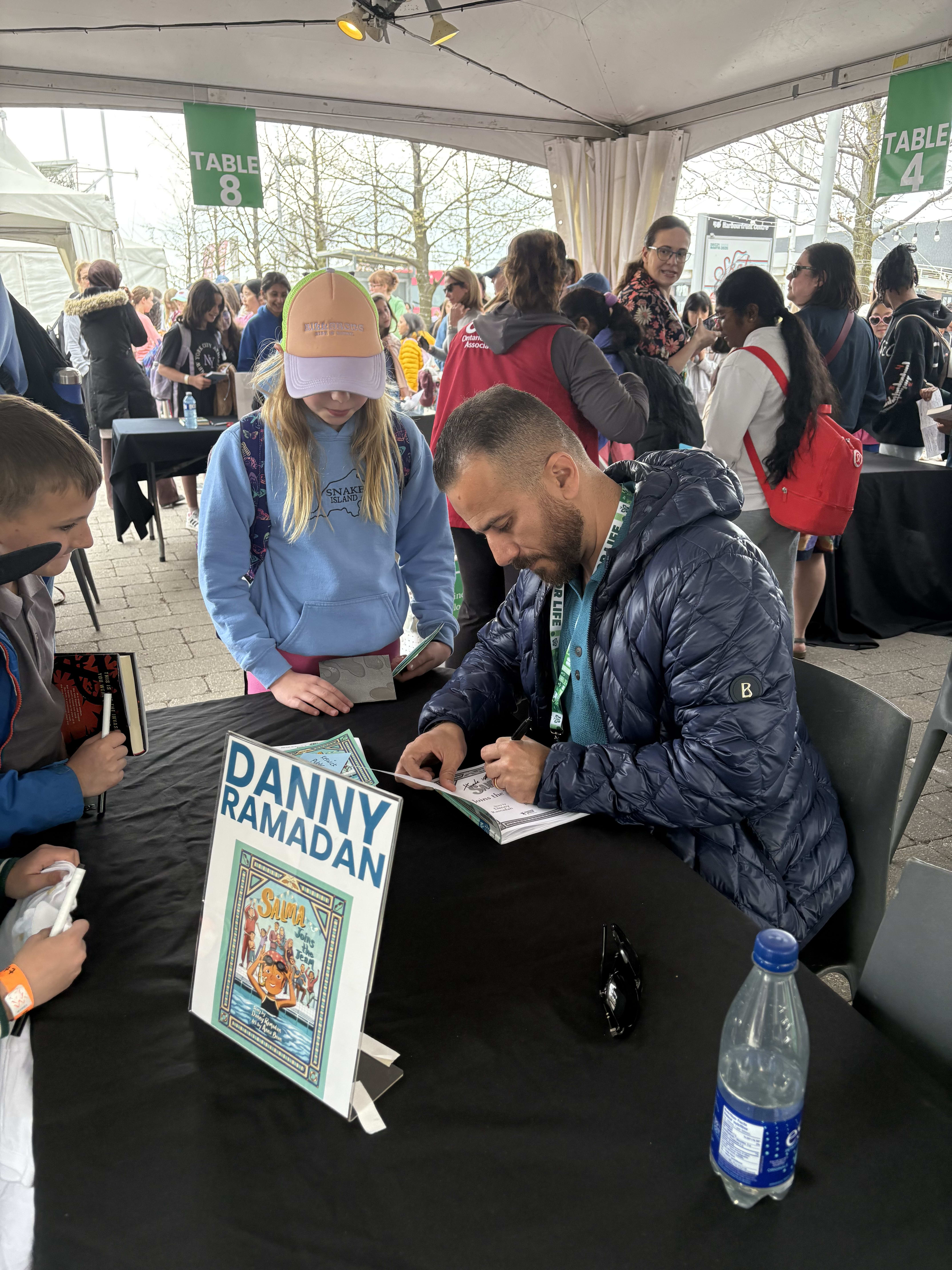
The Forest of Reading is Canada’s largest recreational reading program, bringing together children and teens from coast to coast through a shared love of books. Organized by the Ontario Library Association, the program features a wide range of award categories in both English and French, recognizing Canadian authors and illustrators across age groups. A defining feature of the program is that students themselves vote for their favourite books, giving young readers a direct role in celebrating literary excellence. The experience culminates each year at the Forest of Reading Festival at Toronto’s Harbourfront Centre (235 Queens Quay West, Toronto, ON M5J 2G8), where students, educators, and authors gather to celebrate reading. At Teachers on Call, our online and in-home tutoring service is proud to support initiatives that encourage literacy, critical thinking, and student engagement.
About the Author
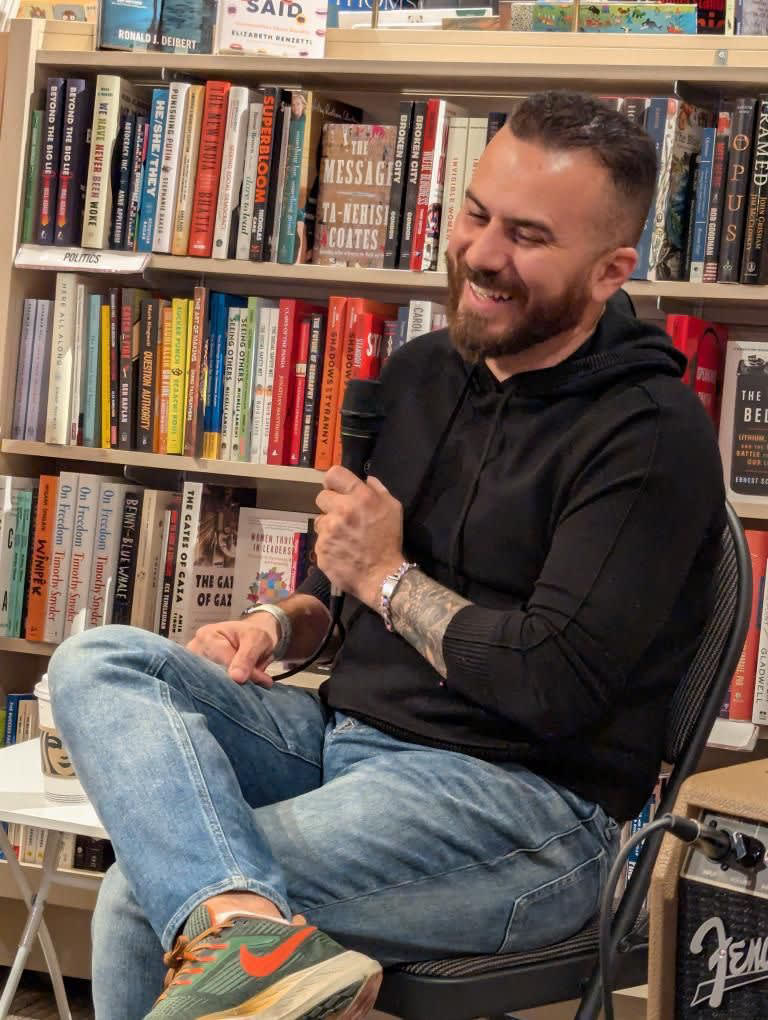
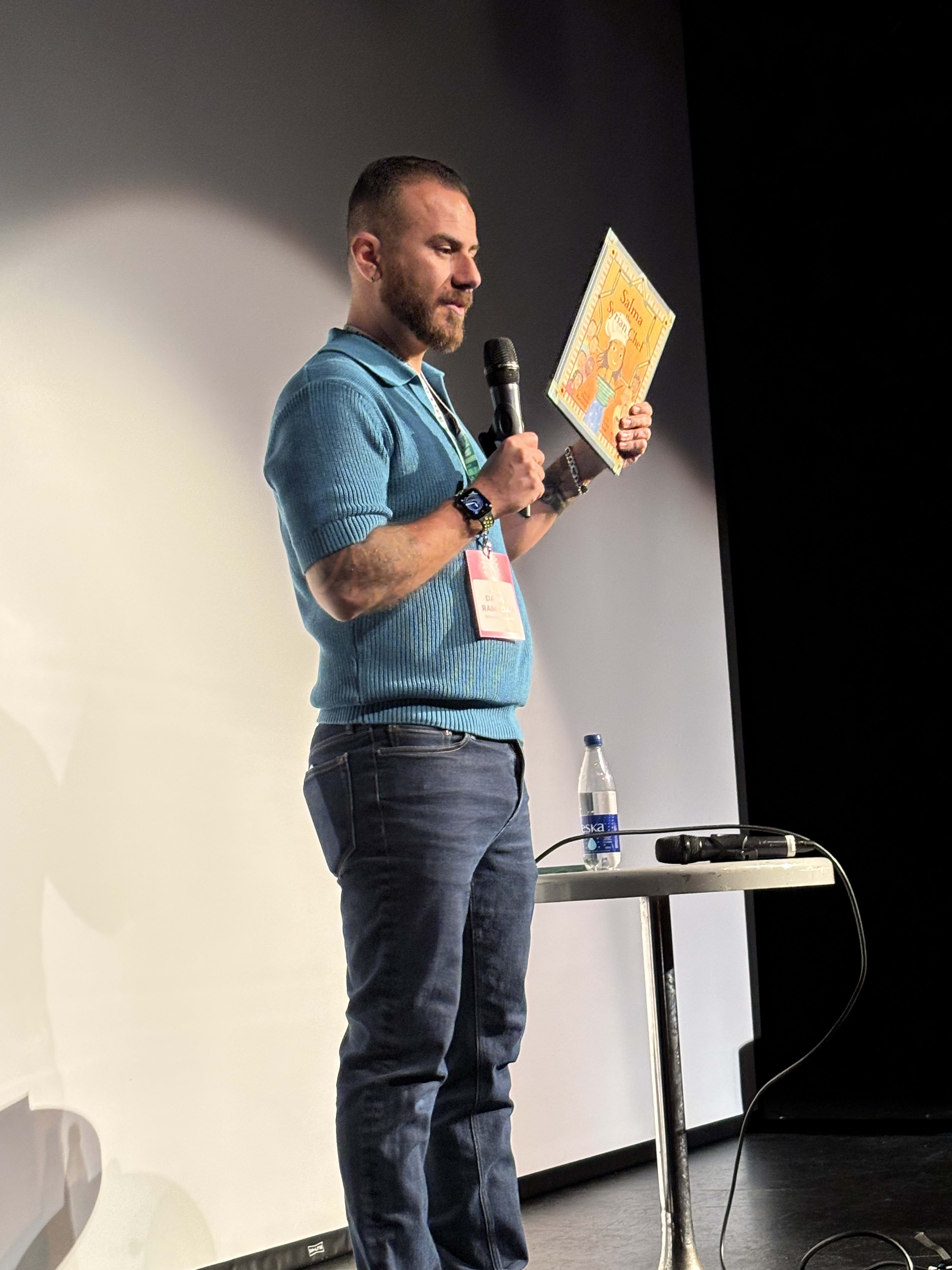
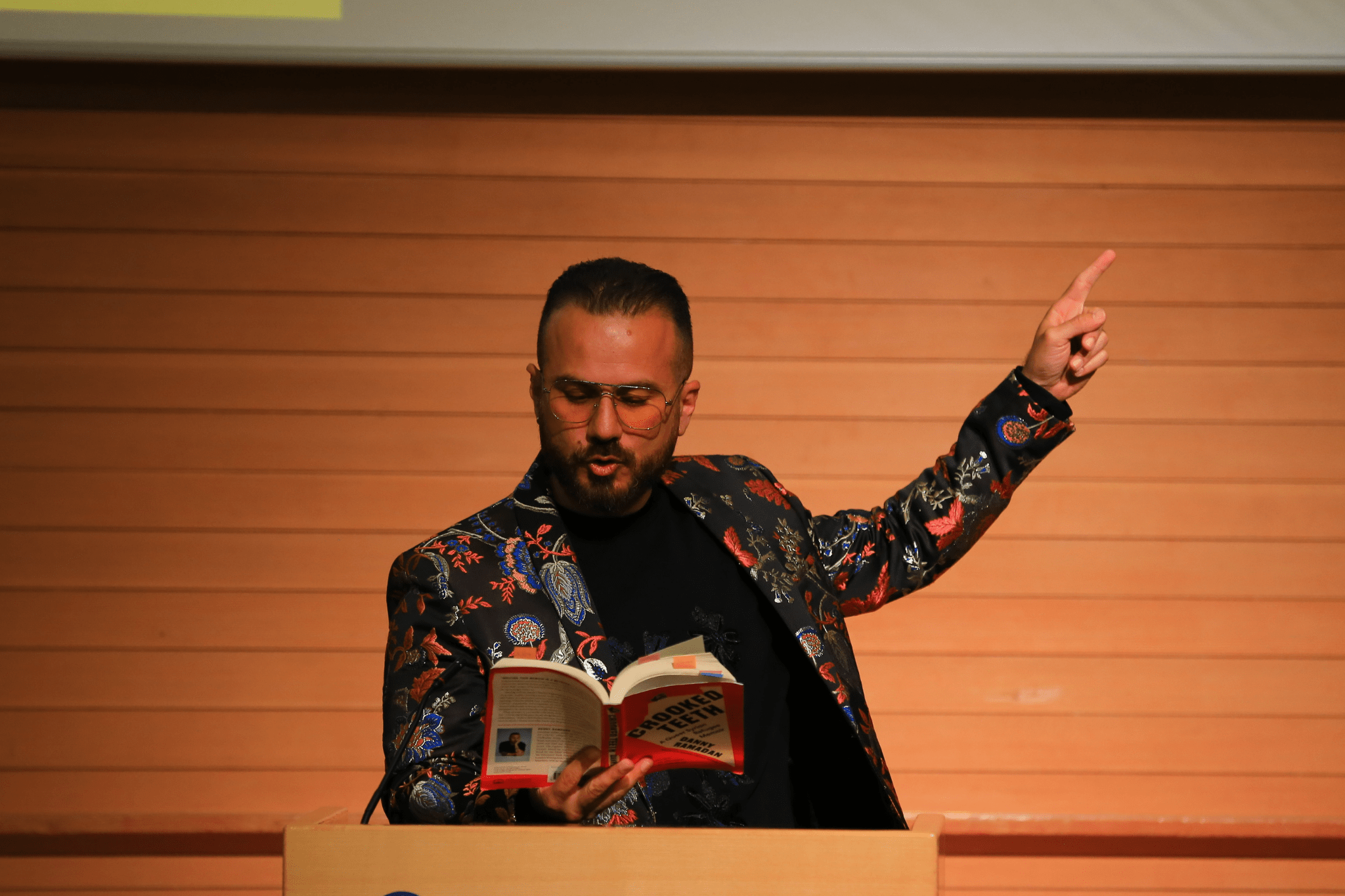
Danny Ramadan is a Syrian-Canadian author, public speaker, and advocate based in Vancouver, British Columbia. His writing often explores themes of identity, belonging, and storytelling as a means of connection and understanding. With a background that spans adult fiction, memoir, and children’s literature, Ramadan brings a thoughtful and authentic voice to his work. Through the Salma series, he continues to reflect the diverse experiences of young Canadians while encouraging readers to embrace their individuality and share their stories.
About the Illustrator
Anna Bron is a Vancouver-based Canadian illustrator and animation director whose work brings warmth and expressiveness to the Salma series. She has illustrated several beloved titles, including Salma the Syrian Chef and Salma Joins the Team, as well as other award-winning children’s books. With a background in traditional animation from Sheridan College, Bron has worked across animation, design, and directing for commercials and short films. Her dynamic and emotionally rich illustrations help bring Salma’s story to life, capturing the nuances of friendship, identity, and belonging in a way that resonates with young readers.
About the Book
In Salma Speaks Up, Salma joins her best friend Riya in their school’s Speech Club, where Riya hopes to pursue her dream of becoming a poet. When a classmate begins criticizing the way they speak, Salma is faced with questions about language, identity, and what it means to “speak correctly.” At the same time, she is worried about her uncle, Khalou Dawood, whose sudden distance raises new concerns. As Salma navigates these challenges, she learns to advocate for herself and others while embracing the richness of her own voice. This heartfelt story blends friendship, creativity, and self-discovery in a way that resonates with young readers.
Readers who have followed Salma’s journey will recognize how far she has come. In our previous interview about Salma Joins the Team, we explored themes of growth mindset and teamwork. This latest instalment builds on that foundation by shifting the focus toward confidence and self-expression.
Read Our Full Interview with Danny Ramadan
In our last interview, we talked about growth and teamwork in Salma Joins the Team. In Salma Speaks Up, the focus shifts to voice and confidence. What inspired you to explore this theme next in Salma’s journey?
Thank you for the question! I believe that Salma is becoming a leader within her own community, as well as for the many readers who have followed her story so far. It was the right time for her to experience a setback that feels conflicting to her own identity as both a proud immigrant and a new Canadian.
Accents aren’t only about the words we say: they also tell us stories of our belonging, our journey and the ways we want to represent ourselves. It felt appropriate to bring that to the forefront for Salma.
In a way, having Salma face such a new focus for her is the next step in her growth as a young Canadian, as well as a mirror for her readers.
This story highlights how language and accents are sometimes judged unfairly. Why was it important for you to address this topic for young readers?
Society at large has an interesting knee-jerk reaction to accents. They indicate foreignness. They impact how one is viewed and what assumptions are already gathered about them. It’s pretty interesting to me, because accents for me indicate a special power: an ability to learn a full other language to communicate and connect. It’s a sign of determination, strength and intelligence.
I wanted to write a book that allowed children to have this argument ready for when someone might judge them over their accents.
Salma shows a lot of courage when she begins to speak up. What do you hope children learn about standing up for themselves and others?
I did not want to write a book where Salma takes a step back on her accent. I wanted her to be proud of her accent from the get-go. The courage comes from a place of righteousness. Salma hears that accent all the time: at home, with her parents, with her uncle, and at her community in school and in the mosque. Saying that this accent is negative doesn’t only impact the way Salma speaks, it impacts everyone she cares about and loves.
Having Salma be stubbornly insistent on that is a decision I made to ensure that those reading the book know they are right, as well.
Riya’s dream of becoming a poet plays an important role in the story. How do you hope this encourages young readers to express themselves creatively?
A creative outlet is something that will not only impact the ability of a child to practice arts; it will also enhance their whole educational experience. I believe that offering a child a space to grow creatively will allow them a connection to their own stories and identities, as well as open doors for them to approach other aspects of life creatively.
Poetry here is not only a hobby I wanted to give Riya. It’s a way for Riya, typically way more shy than Salma, to explore who she is, and what brings her joy in her own life.
The book touches on identity, belonging, and confidence. How can teachers use this story to start meaningful classroom conversations about inclusion and respect?
In my experience, individuality and the greater good of a community do not have to be at odds. One can and should be able to celebrate their own unique identities with confidence, while also contributing to the community at large with their own special skills.
Inclusion, to me, feels like a loaded word. It somehow indicates that there is an overall community of sorts that seeks to include those on the margins within it. In reality, the community is already formed! Everyone is already in this classroom: the work then becomes on enhancing the confidence of each student individually to participate in their own unique ways, while protecting the overall peace and harmony in the classroom to ensure each student feels welcomed and appreciated and respected.
Salma is also dealing with worries about her uncle. Why was it important to include this more personal and emotional storyline alongside the school experience?
Sometimes author Danny gets inspired by human Danny lol. The truth is, I’m a person who navigates mental health needs. One of the most prominent issues I struggle with is Seasonal Affective Disorder. It really glooms my mind and affects me quite negatively. It’s also scientifically proven that folks of colour, especially brown and black folks, struggle with SAD.
I thought bringing that element into the story, in a gentle and protective way, might allow children to see mental health as less of a taboo and more of a conversation that they can participate in.
The idea of “speaking correctly” comes up in the story. How would you encourage young readers to think differently about accents and language?
Are you speaking about the betterment of the world? Are you speaking for yourself and your family? Are you growing your own confidence and bringing your friends with you on that journey? Then, you’re speaking correctly, and no one can deny that.
On a more personal note, is there a favourite spot in or around Vancouver where you go to write, reflect, or feel inspired?
My home! I’m a home-y person, and I love to hang out with my dogs in the living room and write in peace and quiet. I also have such a love for my little office: it’s where I keep my comfy chair and my video game consoles.
For parents reading this book with their children, what kinds of discussions would you hope it sparks at home?
I hope the parents will feel comfortable using my book as a conversation starter to many topics. King amongst them is the topic of self-affirmation and confidence. I truly hope this book will spark a conversation about self-determination: children growing up with the ability to advocate for themselves are ones that will one day bring more order and hope to our future.
~
Salma Speaks Up offers young readers a meaningful and empowering story about identity, confidence, and the importance of using one’s voice. Through Salma’s experiences, children are reminded that their differences are something to be proud of and that standing up for themselves can also uplift those around them. The story also opens the door to thoughtful, age-appropriate conversations about mental health, helping families approach the topic with care, understanding, and compassion.
At Teachers on Call, we are proud to share stories like this that inspire empathy, resilience, and a lifelong love of reading. Looking to explore more Silver Birch Express nominated books from the Forest of Reading program? Check out our interviews with Angela Ahn for Julia on the Go! The Big Splash and This is How a Ball Rolls by Heather Tekavec.
Related Articles View All
Forest of Reading 2027 Nominees Announced: Discover Canadian Children’s Books in English and French
The Forest of Reading 2027 nominees are here! This year’s lineup celebrates diverse Canadian authors and illustrators from coast to coast, with books in English and French for readers of all ages. Explore the full list and discover which stories students across Canada will be reading—and voting for—this spring.
From Stop-Motion to Stories of Freedom: Family Learning at Doors Open Chatham-Kent
Explore stop-motion animation, Black history, art, nature and more at 13 Doors Open Chatham-Kent sites offering family-friendly learning across the region.
From the High Arctic to a Historic Schoolhouse: Family Learning at Doors Open Quinte West
Explore the High Arctic, aviation history, dinosaurs and more at 10 Doors Open Quinte West sites offering hands-on learning for the whole family.
