

This Is How a Ball Rolls by Heather Tekavec is a joyful, curiosity-sparking picture book that brings together sports, science, and playful language in a way that feels effortless for young readers. Illustrated by Suharu Ogawa, this innovative guessing-game book introduces twelve different sports balls and explores the physics behind how they move, bounce, roll, and glide. From a tiny marble to a person-sized Zorb ball, children are encouraged to observe closely, predict outcomes, and delight in discovery. This engaging STEAM-inspired title, designed for elementary readers in grades 3 and 4, has been nominated for the 2026 Forest of Reading Silver Birch Express Award. Keep reading for an exclusive interview with Heather Tekavec, a Canadian author based in the Fraser Valley, BC, where she shares the inspiration, research, and heart behind this one-of-a-kind book.
Parents and educators will appreciate how This Is How a Ball Rolls: The Science of Wobbling, Bouncing, Spinning Balls makes scientific concepts approachable without ever feeling instructional or heavy. The rhythmic, tongue-twisting text supports early literacy skills, while the layered science explanations allow children of different ages to take something meaningful from each read. The in-person and online tutoring team at Teachers on Call recommends this book because it naturally invites questioning, experimentation, and conversation, all key components of deep learning. Whether shared during a classroom read-aloud, explored independently by curious readers, or used as a springboard for hands-on activities, this book helps children connect real-world movement to foundational physics concepts in a fun and memorable way.
Why the Forest of Reading Continues to Matter
The Forest of Reading program is Canada’s largest recreational reading initiative, designed to inspire a lifelong love of books in children and teens. Run by the Ontario Library Association, the program highlights outstanding Canadian writing and illustration through multiple award categories in both English and French. One of its most powerful features is that young readers themselves vote for the winning books, giving students across Canada a meaningful voice in celebrating the stories that resonate with them. Each year, the program culminates in the Forest of Reading Festival in Toronto, where authors, illustrators, educators, and students come together to celebrate literacy at Harbourfront Centre (235 Queens Quay West, Toronto, ON M5J 2G8). At Teachers on Call, we are proud to support programs like Forest of Reading that build a love of reading while empowering students to engage thoughtfully with Canadian literature.
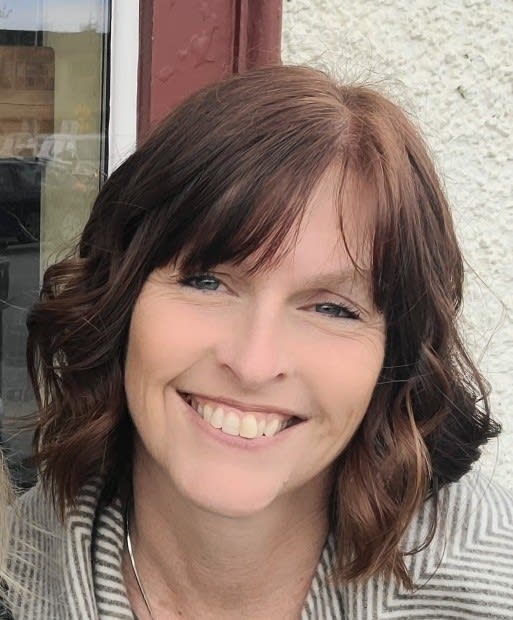
About the Book: This Is How a Ball Rolls
Calling all science and sports fans. This Is How a Ball Rolls combines playful, tongue-twisting brain teasers with engaging explanations to introduce 12 different types of balls and the science behind how they move. This dynamic book is an excellent companion for primary-grade science lessons, helping students explore key physics concepts such as matter, motion, forces, and simple inventions in a fun and accessible way. The back section extends the learning even further, offering clear explanations of essential physics principles such as spheres, elasticity, aerodynamics, gravity, trajectory, drag force, and speed, along with ball-related trivia questions that encourage curiosity and critical thinking beyond the page.
About the Author: Meet Heather Tekavec
Heather Tekavec is a bestselling Canadian children’s author, originally from Manitoba, who now lives in Surrey, British Columbia. Known for her playful use of language and engaging storytelling, Heather creates books that spark curiosity and invite children to think more deeply about the world around them. Her background as a preschool teacher continues to influence her writing, particularly her ability to meet young readers where they are while still challenging them to grow.
About the Illustrator: Meet Suharu Ogawa
Suharu Ogawa is a Toronto-based illustrator who was born in Japan, where her love of drawing began in a kindergarten art school. She later studied Art History and Cultural Anthropology and worked for several years as a university librarian before following her passion for illustration and pursuing a lifelong creative path. Today, her work spans magazines, children’s books, and public art projects, among other collaborations, and she teaches illustration as an Assistant Professor at OCAD University, located in downtown Toronto (100 McCaul St, Toronto, ON M5T 1G1).
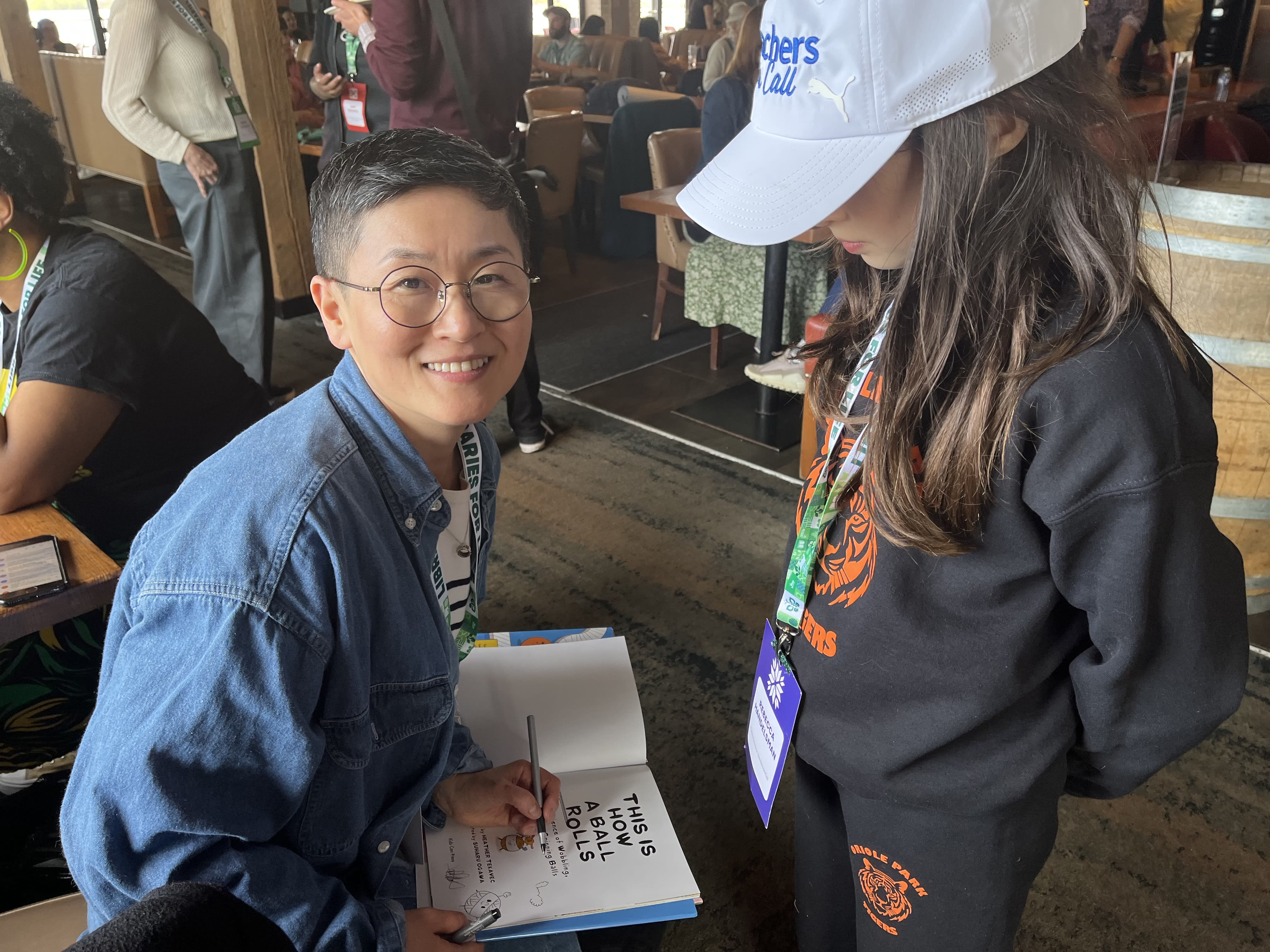
Read our Exclusive Interview with Heather Tekavec
This Is How a Ball Rolls is such a playful and informative mashup of sports and science. What first inspired you to explore the physics of balls in a way that feels so fun and accessible for young readers?
The story actually started as simply a fun, “bouncy” story just for the sake of exploring different types of balls. I had always intended it be interactive, with the “guess which ball comes next” component, but I didn’t think to add the science until further along, when I started reading and researching words to use with the different balls. I discovered so much fun information about them. I just kept digging deeper. After that, I couldn’t not add the science! My hope was that the rhythmic text would be enjoyable for younger children, while the science information would appeal to the older ones.
The book beautifully blends Science, Technology, Engineering, Arts, and Mathematics. How do you see this story supporting STEAM learning in classrooms, and are there particular activities or discussions you would recommend for teachers?
There are so many ways to use this in a classroom to further STEAM learning. As a former preschool teacher, I would have brought many of these balls into the class for comparing and sorting, sizes, weights, materials, and bounciness, for example. With older children, I think a fun activity would be to have students work in groups to create new games and new ways to use the different balls, taking into account their unique characteristics. Marbles and paint, for example, make interesting art; tennis balls with a cut slit can keep chairs from scuffing the floor. And think of the new games you could play with a yoga ball! Of course, measuring and charting distances, speeds, bounciness, etc. would also be valuable. Or exploring what would happen if … if you tried to play baseball with a marble, if you tried to do yoga on a basketball! And just for fun, do ball races. Which rolls faster to the finish line, the baseball or the soccer ball?
And because I’m more of a language person than a sports or science person, I also would recommend activities based on the language of the book, choosing new words to describe the balls or creating new rhymes for balls that aren’t listed in this book, there are still many more!
This book invites readers to slow down and really notice how things move. How do you think cultivating curiosity and observation skills helps children become stronger learners in all subjects?
Just like I wrote the science component to this book because of what I learned along the way, I think children, when given a chance to see deeper into something that interests them, will often continue that pattern of digging deeper with a great many things: How do instruments and bicycles work? What do the vitamins in food look like? How are candy canes, puzzles and lightbulbs made? Not all children think that way, and that’s all right, but if even a few children, after reading my book, realize that they actually like science, then my work is worth it. If even a few children realize that they like books more than they thought, then my work is worth it. Other children might get curious about the actual balls and explore sports and games that they never tried before. That’s also a win! In my fantasy world, every book that a child reads will change them in some small way, making them wiser, braver, more curious, kinder …
As a 2026 Silver Birch Express Award nominee, This is How a Ball Rolls will be in the hands of many young Canadian readers. What do you hope students will feel or think differently about after reading it?
I hope, first, that more children will step out of their comfort zone and away from their screens to try new activities that they see in the book. Second, I hope that reluctant readers might feel differently about books! I have one daughter that hated reading until she discovered joke books. Sometimes, it just takes one book to get a child “hooked on books.” For the very young children, I have a special wish; I want them to feel smart. One reason I put the guessing component into this book was for the little ones. When they guess which ball is on the next page, even if they’ve read it twelve times, there is a burst of confidence in themselves that I love. And when a book makes a child feel smart, they’ll want more, and a reader is born!
What challenges did you encounter when trying to explain complex physics concepts in ways that are accurate, engaging, and developmentally appropriate?
There was a lot of research. A lot. More than one would expect for a thirty-two page picture book! The truth is, I’m not particularly scientific or sporty myself, so I had to learn what aerodynamic actually meant, and explaining drag force in child-friendly terms was more work than I care to admit! But in the end, it helped to recognize that this book was really reaching two audiences, three if you count parents who don’t know what aerodynamic means, and the science component didn’t have to make sense to all the preschool readers right away. They would grow into it in time!
On a more personal note, is there a favourite place where you like to go to write, think, or recharge your creativity?
My backyard and my home office look out over a schoolyard field at one end and a forest at the other, so I’m pretty happy writing at home with a cup of tea, while watching children, dogs, squirrels, and owls at play. But when I do want to get out, the beach is my go-to. A few years ago, I spent six weeks in Italy and did a lot of writing in Rome and on the Amalfi Coast. It’s hard to beat that!
If a child finished this book and immediately wanted to invent their own “science of something” book, what advice would you give them?
Yaay! I hope that will happen. First, I’d say do it! Don’t wait until you have all the answers. Start with an idea and learn as you go. Make a million drafts if necessary to get where you want. My other advice would be to make sure they research on reputable sites or from published books. I find a lot of “iffy” facts in my research, and I am currently working on a book to help children understand that not everything they read or see on their screens is accurate and complete information. There is lots of great information online, but take your facts from the people that know what they’re talking about.
~
At Teachers on Call, high school science is one of the most popular requests we receive for both in-home and online tutoring, whether it is general science, biology, chemistry, or physics. That is why books like this, which spark an early interest in science at the elementary level, are so meaningful in building confidence and curiosity from a young age. For families looking to support students as they progress into more advanced science courses, read on for practical strategies in our blog on Study Tips for Biology and Chemistry Classes designed to help students succeed as expectations increase.
This Is How a Ball Rolls is a wonderful example of how a picture book can entertain, inform, and inspire all at once. Heather Tekavec’s thoughtful blend of science, language, and play invites children to see learning as something active and joyful. As part of the Forest of Reading program, this book will undoubtedly spark curiosity and confidence in young readers across Canada, and we are thrilled to share it with the Hooked on Books community. Want to explore more STEM-focused books for young readers? Check out our interview with Toronto-based Ana Gabriela Juárez for Ana’s Adventures at the Mine or Operation Cupcake: How Simple Machines Work by Vancouver-local Bambi Edlund.
Related Articles View All
From an 1870s Classroom to a Modern University Campus: Family Learning at Doors Open Markham
Explore Markham’s past and present during Doors Open Markham, with 17 sites offering family-friendly adventures in history, art, architecture, education and culture.
Splashing Into Marine Science: "Octopus Ocean" with Canadian Author Mark Leiren-Young
Dive into the fascinating world of octopuses with Canadian author Mark Leiren-Young. Discover how Octopus Ocean: Geniuses of the Deep brings marine science, animal intelligence and ocean conservation to life for young readers.
From Theoretical Physics to a Ghost Village: Family Learning at Doors Open Waterloo Region
From theoretical physics to a ghost village, discover family-friendly learning adventures at 27 fascinating sites during Doors Open Waterloo Region 2026.
