

How can illustrations help young readers experience music, understand difficult emotions and recognize themselves within a story? Vancouver-based Mexican illustrator Erika Medina Rodriguez brings warmth, movement and personality to an expanding collection of picture books and board books. From stories about friendship, cultural traditions and family relationships to books addressing racism, residential schools and emotional well-being, her expressive artwork helps make complex ideas accessible to children. Keep reading to learn more about Erika Medina Rodriguez’s growing illustration career, explore her collection of children’s books and enjoy our exclusive interview, with a special focus on Adela’s Mariachi Band, its Spanish-language edition, Los mariachis de Adela, and the bilingual board book Mi Cielo, My Sky—two titles of particular interest for families looking for children’s books with Spanish—and the many other stories she has helped bring to life.
The team behind the tutoring service at Teachers on Call recommends exploring the work of children’s book illustrators because pictures can add layers of meaning that extend beyond the written text. Through facial expressions, body language, colour, texture and movement, Erika Medina Rodriguez helps young readers recognize emotions, interpret important details and connect with characters navigating a variety of experiences. At Teachers on Call, we tutor many students in French programs, as well as students studying Spanish, where finding engaging children's books can sometimes be more challenging. Two of Erika’s illustrated titles stand out for Spanish learners: Adela’s Mariachi Band is also available in a Spanish-language edition, Los mariachis de Adela, while Mi Cielo, My Sky is a bilingual English-Spanish board book.
How Illustrations Help Young Readers Understand a Story
Picture-book illustrations do much more than decorate the words on a page. They help children interpret emotions, recognize important details, follow a sequence of events and make predictions about what might happen next. This visual support can be particularly meaningful for emerging readers, multilingual learners and children who are still developing confidence with longer books.
Illustrations can help children engage with stories at every stage of their reading development. Erika’s expressive characters, energetic lines and textured artwork invite children to notice not only what is happening, but also how the characters might be feeling.
Parents and educators can encourage visual literacy by pausing during a story to ask children what they notice in the pictures. What can a character’s posture or expression reveal? How do the colours affect the mood? Which lines, shapes or details create a sense of movement? Questions like these help children practise observation, inference and emotional understanding while making reading more interactive.
About Illustrator Erika Medina Rodriguez
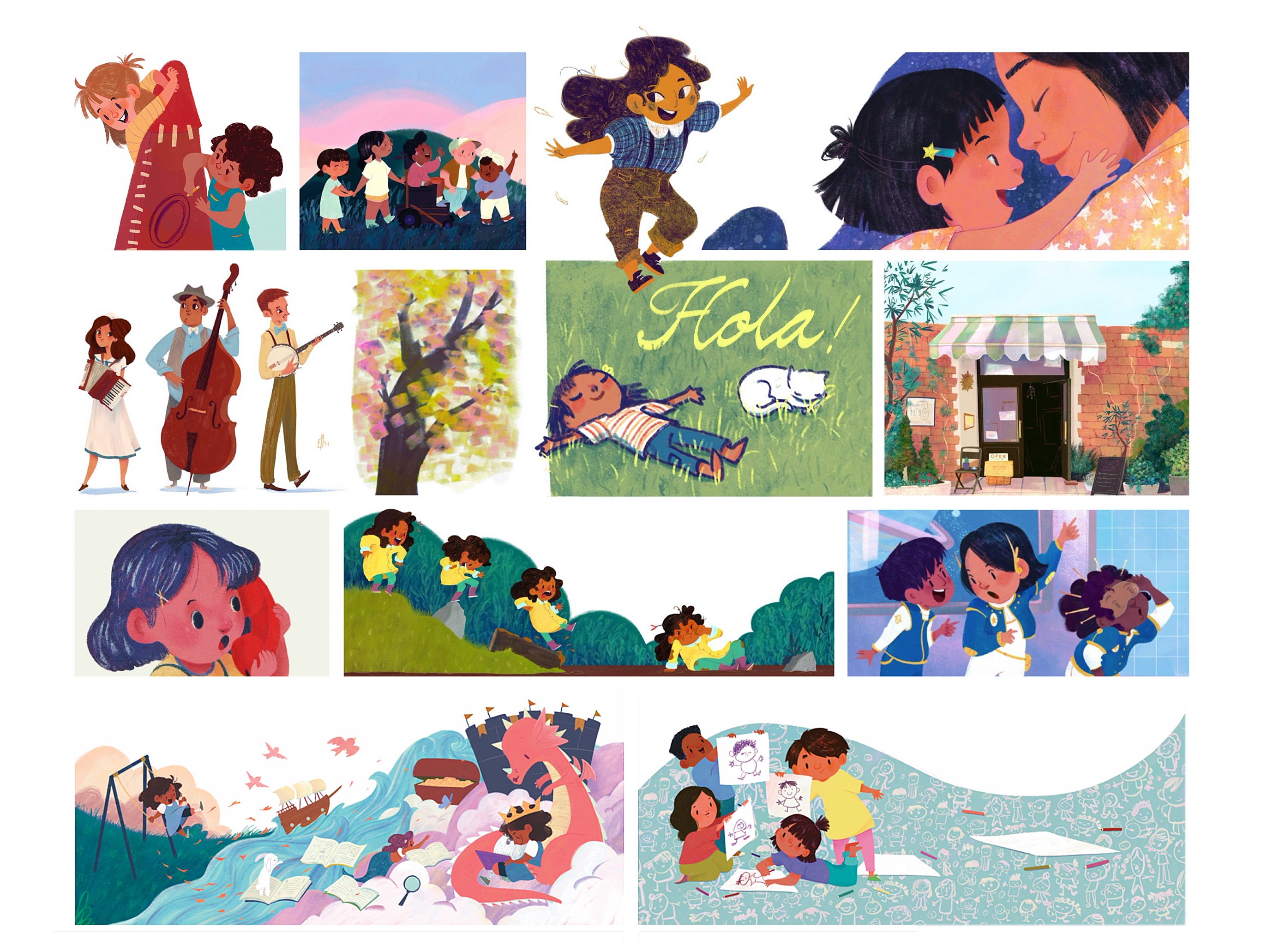
Erika Medina Rodriguez is a Mexican illustrator, book publicist and former art teacher who lives and works in Vancouver, British Columbia. Her illustrations are known for expressive characters, energetic movement and a warm, textured quality influenced by traditional materials such as pencil, watercolour and paper. She is especially drawn to illustrating nature, space, folklore, spooky stories, strong emotions and, in her own words, grumpy children.
Her growing collection of children’s books includes Fighting Words, I Love My Body Because, The Tunnel, And J.J. Slept, 48 Grasshopper Estates, There Goes Patti McGee! and Margot and the Moon Landing. Her latest illustrated book is Ruth and Gabriel Behar’s Picadillo for Paulina. Erika Medina Rodriguez is also scheduled to participate in the Vancouver Writers Fest this October 2026. Readers can explore more of her colourful work through her online illustration portfolio.
Exploring Erika Medina Rodriguez’s Recent Illustrated Books
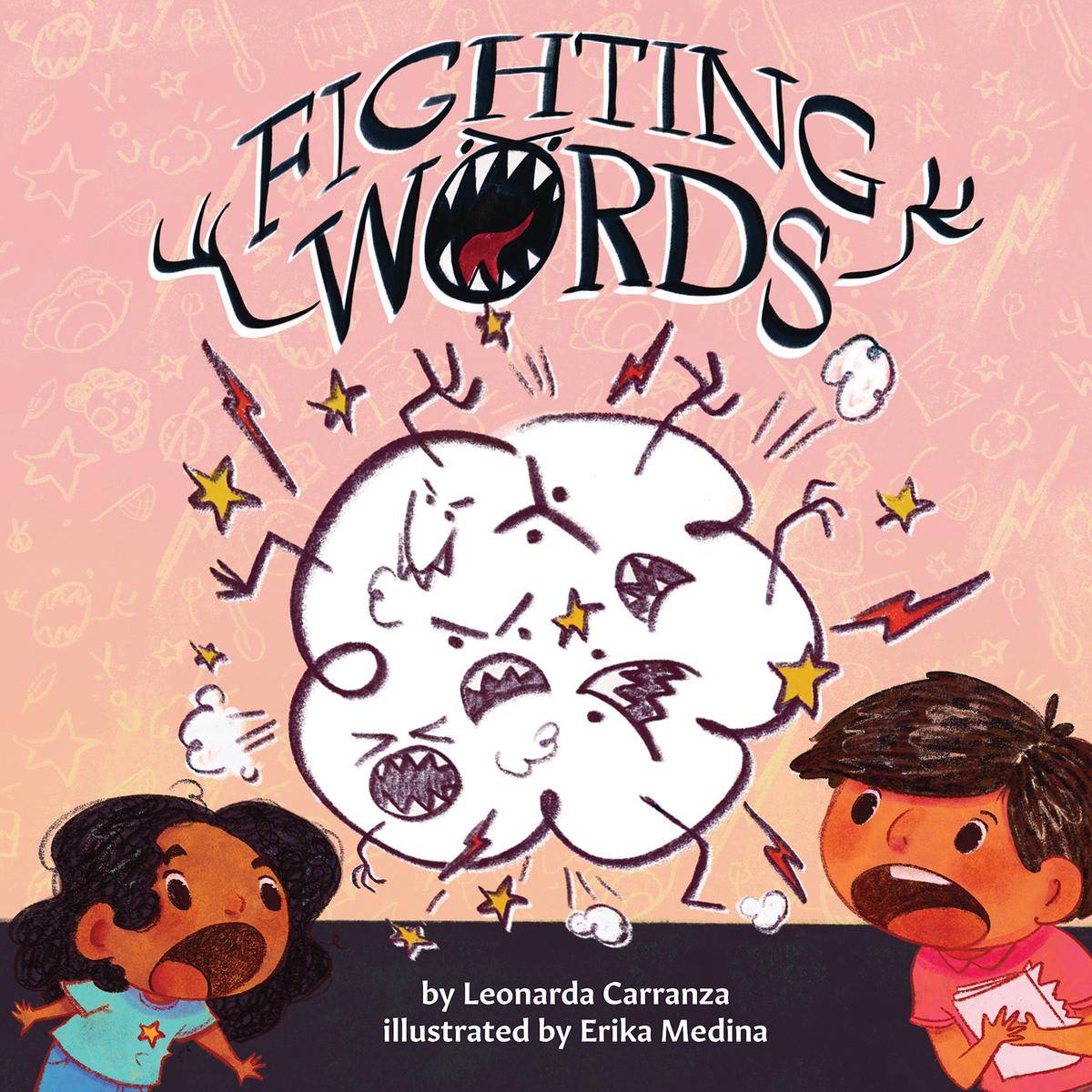
Erika’s recent projects demonstrate her ability to adapt her artwork to stories with very different subjects and emotional tones. In Leonarda Carranza’s Fighting Words, a young boy’s angry words become disruptive creatures that grow increasingly difficult to control. Erika Medina Rodriguez uses animated letters, expressive characters and energetic movement to help children visualize the effects words can have on others. Beneath its humour, the story encourages conversations about anger, self-regulation, accountability and choosing language more carefully.
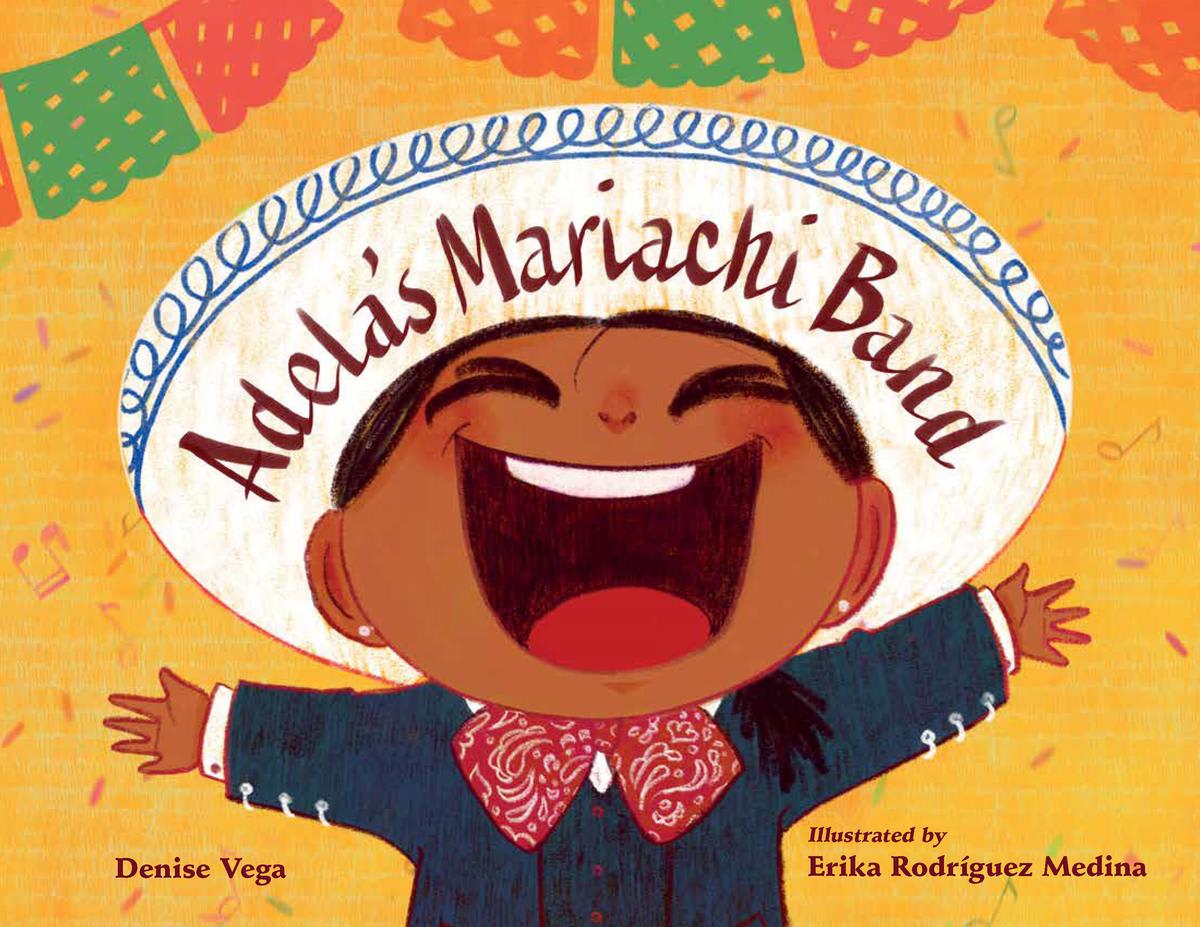
Written by Denise Vega, Adela’s Mariachi Band and its Spanish-language edition, Los mariachis de Adela, celebrate Mexican culture, music, perseverance and finding a meaningful way to participate. Erika’s energetic illustrations help readers feel the rhythm of the mariachi music while following Adela’s emotional journey. The English and Spanish editions have received several honours, including recognition from the New York Public Library, Chicago Public Library and Colorado Libraries for Early Literacy.
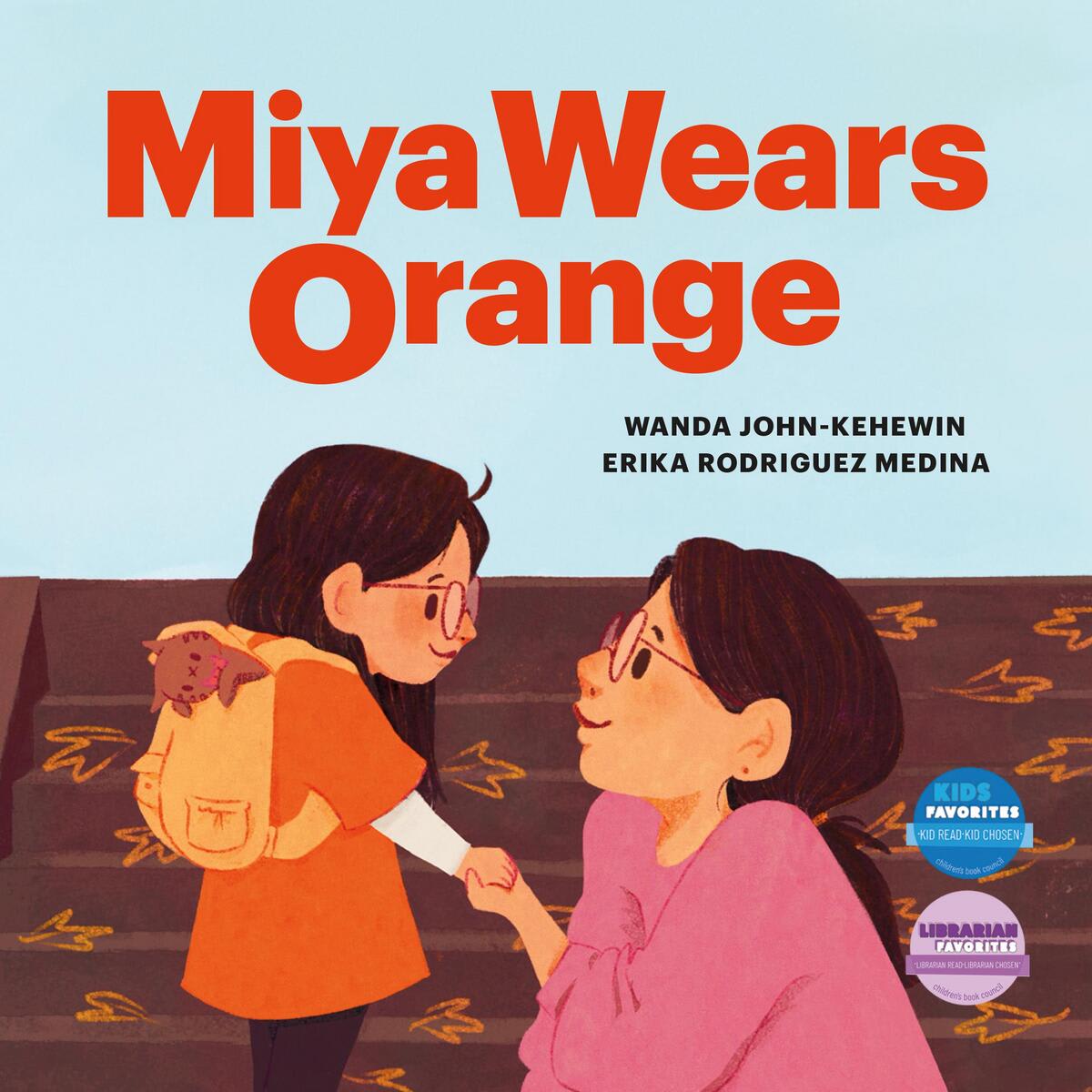
Miya Wears Orange was written by award-winning Cree author Wanda John-Kehewin grew up on the Kehewin reserve in Alberta and now lives in Vancouver, drawing upon her lived experiences in her writing. The story follows a young Indigenous girl processing fear and sadness after learning about residential schools. With support from her mother, Miya begins to understand how wearing orange can honour the children and families affected. Erika’s tender illustrations support this sensitive introduction to residential schools, remembrance and the National Day for Truth and Reconciliation.
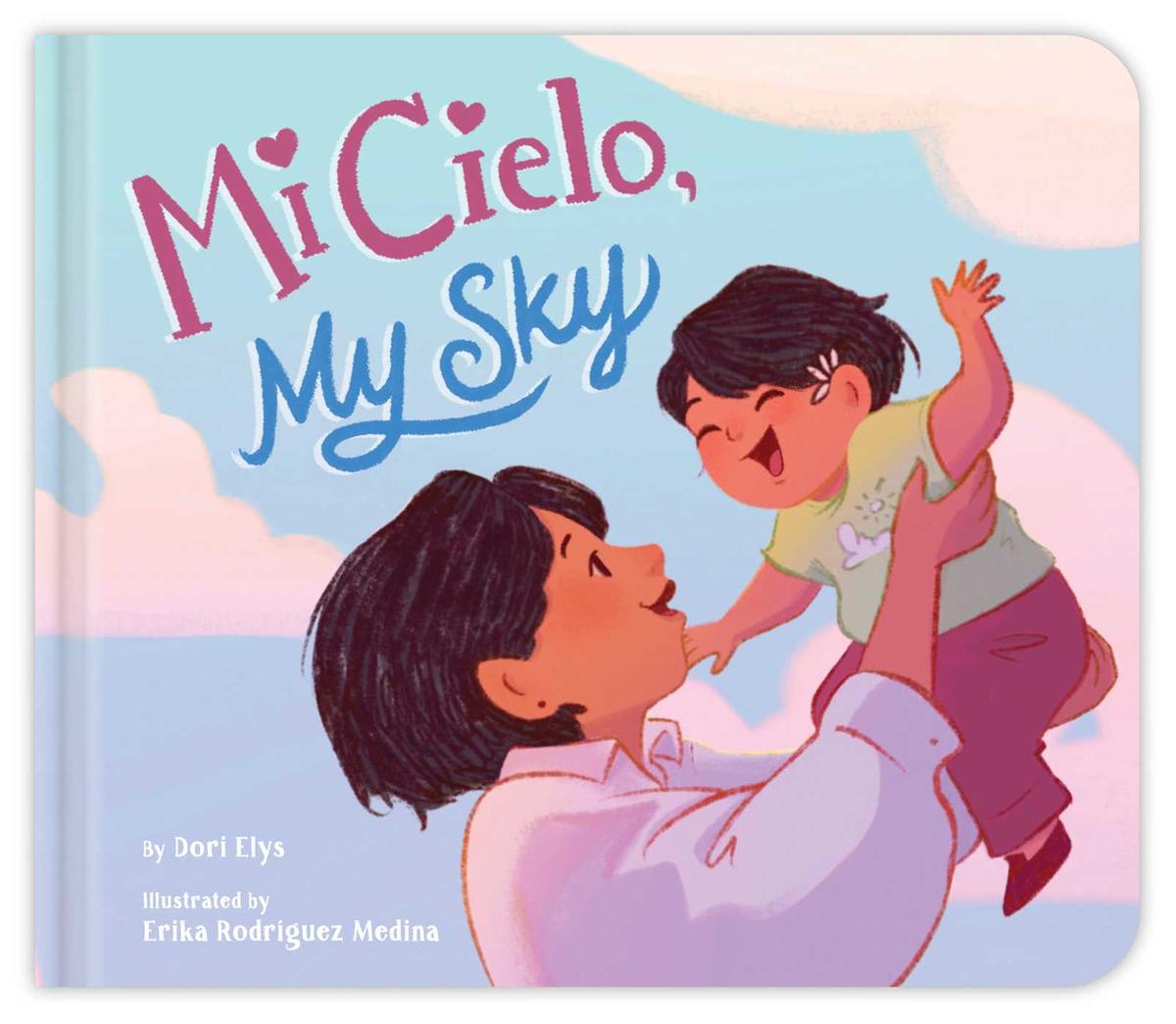
Her 2026 board book Mi Cielo, My Sky, written by Dori Elys, uses English and Spanish to celebrate the loving connection between a mother and her child. Erika’s bright illustrations accompany a tender message about a mother’s love being as limitless as the sky.
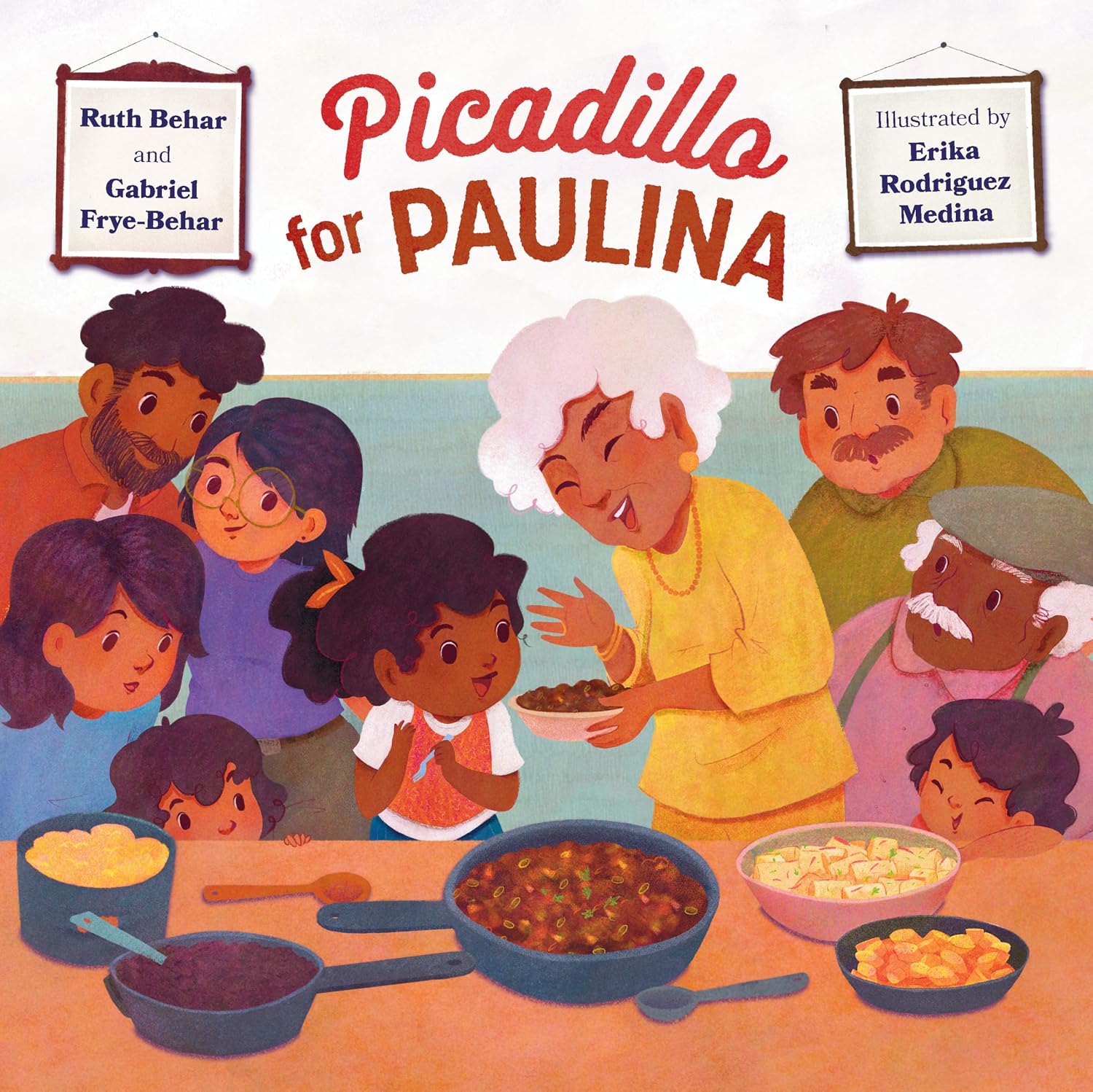
Her newest illustrated release, Picadillo for Paulina, was written by Newbery Honor recipient Ruth Behar and her son, Gabriel Frye-Behar. It follows a young girl searching for a way to remain vegetarian without giving up her family’s traditional Cuban food. The story explores family, cultural traditions, compromise and creative problem-solving.
Complete List of Books Illustrated by Erika Medina Rodriguez
- 2020 — Margot and the Moon Landing — written by A.C. Fitzpatrick, Annick Press
- 2021 — 48 Grasshopper Estates — written by Sara de Waal, Annick Press
- 2021 — There Goes Patti McGee! — written by Tootie Nienow, Farrar, Straus and Giroux
- 2022 — And J.J. Slept — written by Loretta Garbutt, Kids Can Press
- 2022 — I Love My Body Because — written by Shelly Anand and Nomi Ellenson, Simon & Schuster
- 2022 — The Tunnel — written by Sarah Howden, Owlkids
- 2024 — Fighting Words — written by Leonarda Carranza, Annick Press
- 2024 — Adela’s Mariachi Band / Los mariachis de Adela — written by Denise Vega, Charlesbridge
- 2025 — The Friendship Blanket — written by Leonarda Carranza, Scholastic Canada
- 2025 — Miya Wears Orange — written by Wanda John-Kehewin, HighWater Press
- 2026 — Mi Cielo, My Sky — written by Dori Elys, Little Simon
- 2026 — Picadillo for Paulina — written by Ruth Behar and Gabriel Frye-Behar, Norton Books for Young Readers
An Interview with Vancouver Illustrator Erika Medina Rodriguez on Adela’s Mariachi Band and More
In our exclusive interview, Erika Medina Rodriguez takes us behind the illustrations of Adela’s Mariachi Band and its Spanish-language edition, Los mariachis de Adela, while also sharing insights into her growing collection of children’s books, artistic process and illustration career.
Adela’s Mariachi Band is filled with vibrant energy and expressive characters. What inspired the visual style you chose for this story, and how did you approach bringing Adela’s musical world to life through illustration?
I've always been drawn to illustrating expressive characters, and honestly, I always joke that one of my favourite things to draw is kids with big emotions, especially grumpy ones. So, Adela felt like a natural fit. Beyond that, I've always loved using flowing lines, dynamic shapes, and a sense of movement, and the story's energy let me lean into that so the art kind of dances along with the music. Something like that. We can tweak it to sound
The book includes wonderful musical moments and playful instrument sounds. How did you decide on the visual cues, textures, and expressions that help young readers feel the rhythm and humour in the story?
From the beginning, I wanted the rhythm of the story to be present not just in the final illustrations, but in the foundation as well. My sketches use fast, flowing, swirly lines to create movement before any details are added. I carried that energy through each spread, so even the clothes and skirts help reinforce the rhythm and musicality of the story. Glad that comes through. It's very rewarding to hear readers can feel that sense of rhythm and movement.
You describe yourself as someone who enjoys illustrating expressive characters and grumpy children. How did these interests shape the way you portrayed Adela, her family, and the emotion behind her journey?
Like I mentioned earlier, I love drawing expressive characters, so this story fit naturally. I focus on expressions and body language because they're a big part of visual storytelling. If someone can look at the illustration and already get the mood or what's going on before reading, then I feel the art is doing its job. That's what I aim for in each book.
As someone who works with both traditional and digital media, what did your process look like for this particular book? Did you experiment with different techniques or materials to capture the lively atmosphere of a mariachi band?
At this point in my career, I work almost exclusively digitally. It's more convenient for revisions and just makes sense for the workflow. But my style is still very much influenced by the traditional media I used for years, like pencil, watercolour, and textured paper. Even though the book was digital, I still aim for that organic, hand-drawn feel. I like textures, sketchy pencil lines, and shapes. That traditional influence is still there, even when the tools are digital.
You now live in Vancouver. Is there a favourite spot in the city where you like to sketch, find inspiration, or connect with your creative side?
I don't think I've ever had one favourite spot to go draw. For Adela's Mariachi Band, quite a few sketches, even final illustrations, were done from coffee shops. I do like to change things up now and then and I've worked from my desk and depending on the weather even parks, but I don't really have a special place.
Much of your interest lies in mythology, folklore, crafts, and music. How do these passions influence your illustration work, and did any of them play a role in shaping the look and feel of Adela’s Mariachi Band?
For this particular book, I wanted it to feel like Adela and her family might live in a small town in Mexico. That informed some of the choices I made for the backgrounds and what the characters are wearing. I wanted to give the book a slight folkloric touch.
Many young readers who love to draw dream about becoming illustrators themselves. What advice would you offer parents, teachers, or creative kids who want to explore illustration as a possible career path?
I really want all of them to know that if drawing and visual thinking come naturally, that's a valuable skill in many careers, not just illustration. Fields like entertainment, tech, engineering, and beyond all benefit from strong visual communication. You don't have to limit yourself to one lane like illustration. Those skills can translate across a ton of industries.
You have illustrated a wide range of books, including Fighting Words, I Love My Body Because, The Tunnel, And J.J. Slept, 48 Grasshopper Estates, There Goes Patti McGee! and Margot and the Moon Landing. How does working on such different stories influence your growth and versatility as an illustrator?
I see each book as a chance to practice different settings and small details, like costumes or props. But what's interesting is that most of the stories I get actually have a lot in common. Things like families, kids being active, and strong emotions. So, I'm often looking at how clothing expressions or little environmental details can reveal personality or hint at the story's mood.
Across these titles, you have created artwork for stories that explore everything from humour to empowerment to emotional depth. Is there a particular book or character from your past projects that holds a special place in your artistic journey, and what made that experience meaningful for you?
The Tunnel by Sarah Howden is one of my favorite projects! It’s a story about grief, and it gave me the opportunity to lean more into the psychological side of the story.
They also gave me a lot of freedom with the visual approach. I was able to use a limited palette and a style that comes directly from the way I work with traditional media. If you leave me alone, I tend to lean into spooky things because I really like ghost stories and the paranormal, and I’m interested in how those ideas connect with mythology and differ across cultures. My culture is also very much into spooky things, so that’s something I naturally gravitate toward, even when the work is still cute.
For this book, they really encouraged me to go further in that direction. That doesn’t happen very often, since there’s usually a preference for things to be more colourful and what people call kid-friendly. Being able to work with that darker, moodier atmosphere, while still keeping it organic and cute made it very special and enjoyable for me.
What is next for Erika Medina Rodriguez?
A book I illustrated, Picadillo for Paulina, comes out on August 25th, and I’m very happy with how it turned out. The team I worked with was fantastic. I really appreciated how much they cared about the final result and how thoughtful they were throughout the process.
And I have some ideas for my own books. So far, I’ve only illustrated books written by other people, which has been great. I’m very thankful for all the stories I’ve gotten to illustrate because they’ve all been really good stories and have dealt with topics I care about. But I think I’d like to try being both the author and the illustrator.
Encouraging the Next Generation of Visual Storytellers
Our conversation with Erika Medina Rodriguez highlights the creativity, research and careful decision-making that go into illustrating a children’s book. Across stories exploring music, cultural traditions, friendship, identity and difficult emotions, her expressive characters, textured artwork and thoughtful use of movement help young readers connect with each character’s experience. Her growing collection also demonstrates how illustrators can adapt their artistic approach to support stories with very different subjects, audiences and emotional tones..
Parents and educators can use books illustrated by Medina Rodriguez to encourage conversations about Mexican culture, Indigenous experiences, family relationships, perseverance, belonging and emotional well-being. Her work can also inspire children to tell stories through their own pictures, experiment with different materials and recognize that visual creativity can lead to careers in publishing, entertainment, technology, engineering and beyond. As Adela’s Mariachi Band reminds readers, discovering where we belong may require patience, creativity and the courage to keep trying. Looking to inspire more picture-book lovers? Check out our interviews with Linda Bailey for The Great Dinosaur Sleepover or Flo Leung for The Blue Bowl.
Related Articles View All
From Stop-Motion to Stories of Freedom: Family Learning at Doors Open Chatham-Kent
Explore stop-motion animation, Black history, art, nature and more at 13 Doors Open Chatham-Kent sites offering family-friendly learning across the region.
From the High Arctic to a Historic Schoolhouse: Family Learning at Doors Open Quinte West
Explore the High Arctic, aviation history, dinosaurs and more at 10 Doors Open Quinte West sites offering hands-on learning for the whole family.
Beyond the Falls: Science, History and Innovation at Doors Open Niagara Falls
Go beyond the Falls with 13 Doors Open Niagara Falls sites offering hands-on family learning through science, technology, history, art and culture.
