

Every January, we are surrounded by familiar New Year’s resolutions – exercising more, getting organized, reading more, managing time better, or learning something new. These goals often spark thoughtful conversations at home, but they are usually framed with adults in mind. What if those same popular resolutions were reimagined through a student lens? New Year’s learning resolutions for students offer families an opportunity to take well-known goals and apply them to school in a way that feels positive, achievable, and shared. Drawing on over 40 years of experience working with students and families through Teachers on Call’s online and in-home tutoring service, this blog shares practical insights to help turn New Year’s intentions into meaningful learning goals that truly support student success.
New Year’s Learning Resolutions in January and Beyond
At Teachers on Call, we see firsthand how small, intentional goals can make a meaningful difference for students across grades and subjects. Below, we explore how families can translate familiar New Year’s resolutions into student-friendly learning goals – from academics and organization to health, relationships, financial literacy, and personal growth.
While January is the most common time to talk about New Year’s learning resolutions, goal setting is valuable at many points throughout the school year. Families naturally revisit learning goals at back-to-school in September, at the start of a new semester for high school students, and after each student report card. These moments create natural pauses to reflect on progress, challenges, and changing needs. Our online and in-person tutors know how powerful these transition points can be, particularly for high school students navigating new courses, teachers, expectations, and workloads at the start of a new semester.
Read on as we share practical insights from our tutors and reframe common New Year’s resolutions into student-friendly learning goals that families can revisit throughout the school year.

Goal #1: Read More – Building Strong and Enjoyable Reading Habits
One of the most common New Year’s self-improvement resolutions adults make is to read more, and it translates beautifully into a student learning goal. For students, a reading resolution does not need to focus on volume or difficulty. Instead, it should centre on consistency, enjoyment, and connection to stories that genuinely spark interest. Families can support this by setting aside regular recreational reading time.
This is one of the reasons why Teachers on Call’s online and in-home English and French tutors are strong supporters of the Forest of Reading, Canada’s largest recreational reading program for students. The Forest of Reading encourages curiosity and a lifelong love of reading by showcasing outstanding Canadian books across age groups and reading levels for elementary and secondary students.
Families can also explore Teachers on Call’s Hooked on Books interview series, which features Forest of Reading–nominated Canadian creators from Nova Scotia on the East Coast to British Columbia on the West Coast, as well as voices from Northern Canadian territories, helping students connect more deeply with what they are reading.
Goal #2: Manage Time Better – Learning to Plan, Prioritize, and Pace Work
Managing time better is one of the most common New Year’s resolutions for both adults and students. For learners, time management plays a critical role in reducing stress, improving focus, and staying on top of assignments. A student-style time management goal might involve learning how to break work into smaller steps, plan ahead for tests, or create a realistic weekly schedule.
This aligns closely with guidance shared by Teachers on Call President & CEO Joanne Sallay in her article “Control the Clock,” published in Costco Connection across Canada, the US, and Europe. In this article, Joanne shares expert-backed tips from the fields of education, mental health and wellness to help families learn practical time management strategies.
Goal #3: Get Organized – Creating Systems That Support Learning
Getting organized is another classic New Year’s resolution and one that can have an immediate impact on student learning. Organization helps students keep track of materials, follow instructions, and feel more in control of their schoolwork.
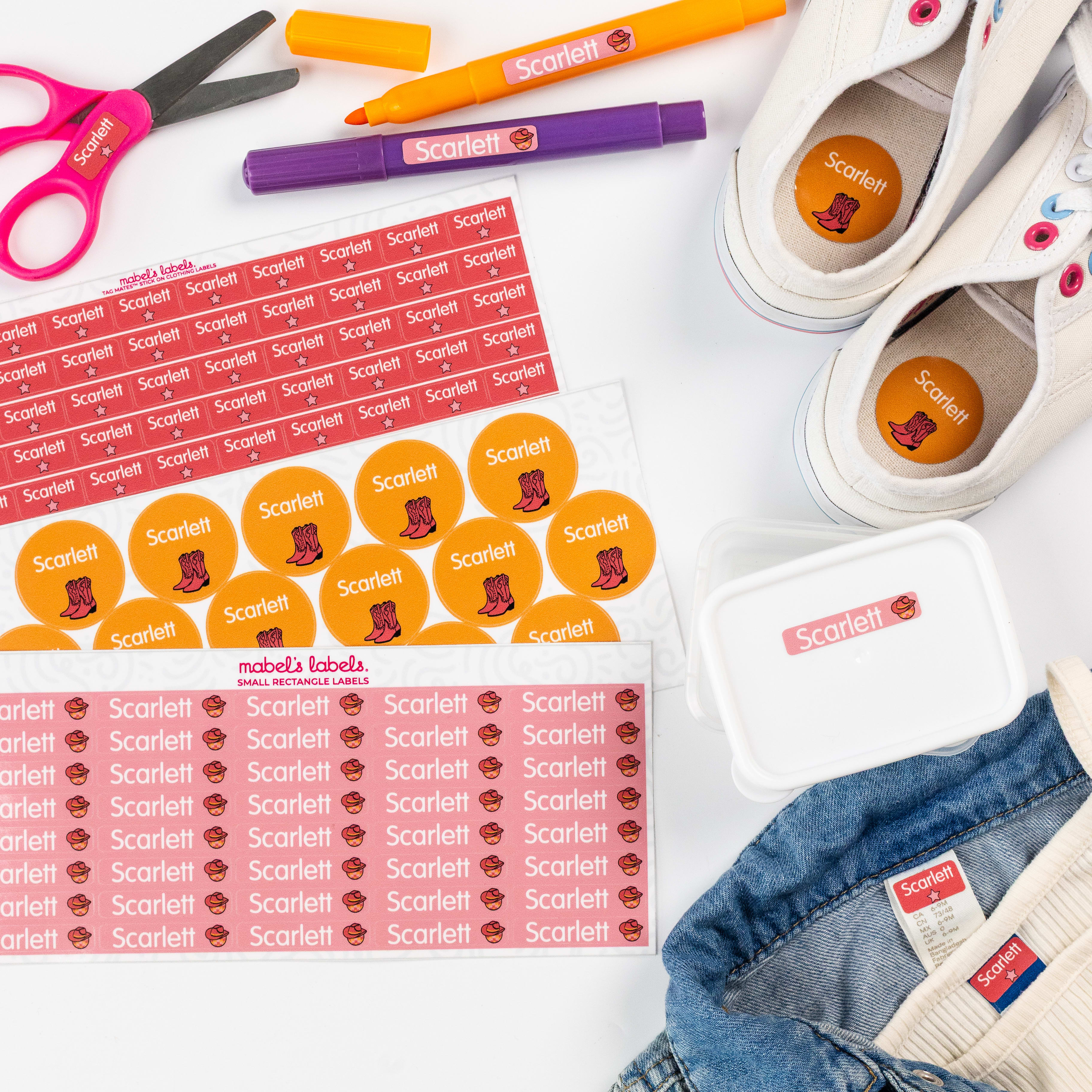
At Teachers on Call, our team loves practical systems that work in real life. Labelling binders, folders, lunch bags, and school supplies makes a noticeable difference, and Mabel’s Labels are a favourite among our teachers and families for keeping everything clearly identified. Simple systems like colour-coded binders and labelled materials reduce daily stress and help students stay focused on learning rather than searching for misplaced items.
In addition, many students are given physical paper agendas at the start of the school year, but they are only effective if they are used consistently. Encouraging students to write down homework, test dates, and reminders daily – and checking in on their agenda regularly – can be a simple but powerful organizational habit. Whether students track responsibilities using a paper agenda, a digital calendar, or both, building this routine helps them stay accountable, organized, and prepared.
Goal #4: Ask for Help – How In-home and Online Tutoring Supports Academic Goals
Another powerful New Year’s learning resolution is learning when to ask for help. Often students try to push through confusion on their own, often waiting until they feel overwhelmed before seeking support. Reframing “asking for help sooner” as a strength helps normalize support as part of the learning process.
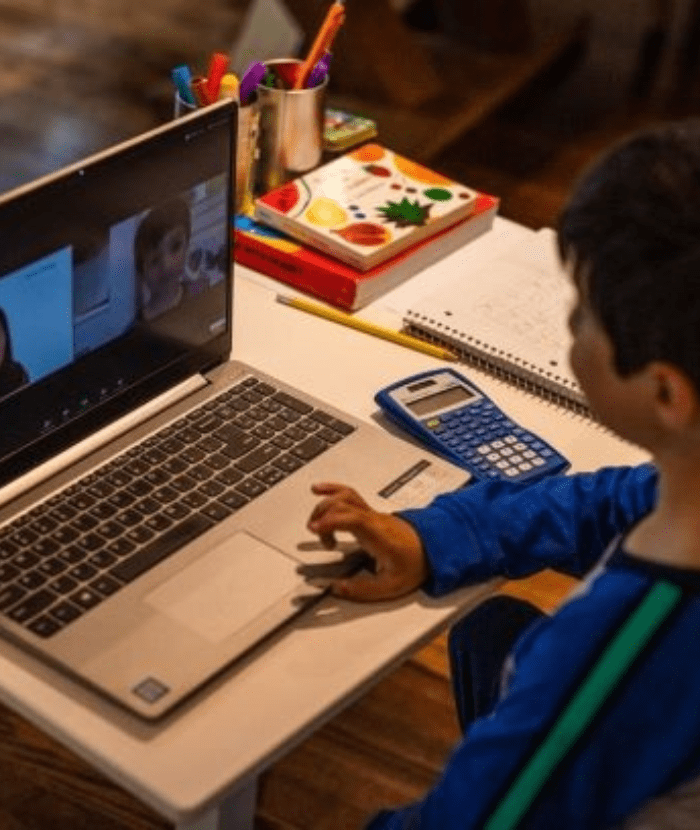
This is where both in-home and online tutoring can make a meaningful difference. Online tutoring provides one-on-one, low-pressure support where students can ask questions freely, revisit concepts, and learn at their own pace. At Teachers on Call, our in-person and online tutors regularly see that once students feel comfortable asking for help, confidence and results improve quickly.
Curriculum-based tutoring supports growth across core subjects such as math, science, English, and French, helping students close gaps early and build academic momentum. Check out this Teachers on Call student success story to see how personalized tutoring helped a high school student build confidence and succeed in math, chemistry, and physics.
Goal #5: Learn about Money – Building Financial Literacy Skills
Saving more or spending more thoughtfully is another common New Year’s resolution and offers valuable learning opportunities for students. Financial literacy supports math skills, problem-solving, and real-world decision-making.
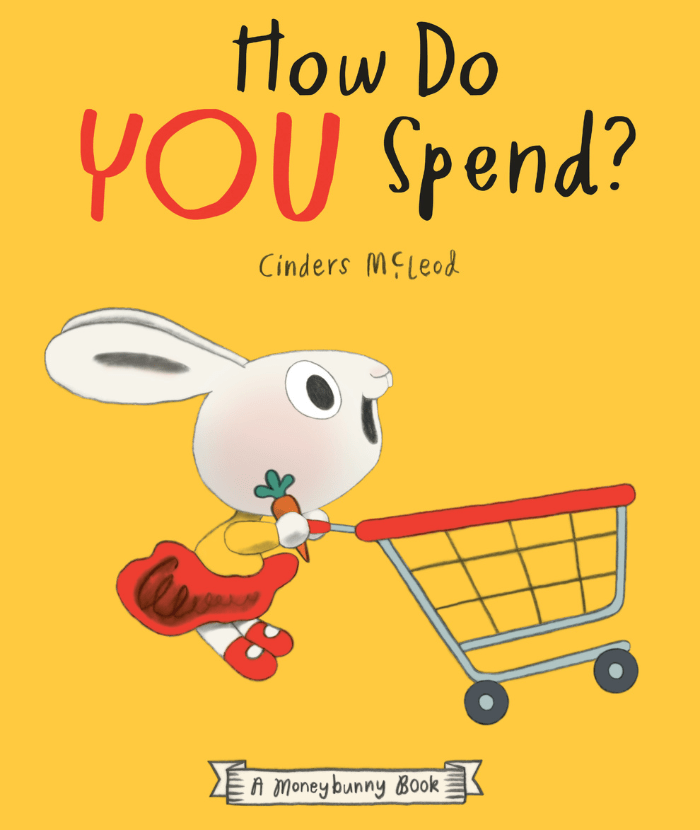
For younger students, early money concepts can be explored through picture books like the Moneybunny series by Toronto-based creator, highlighted in Teachers on Call’s Hooked on Books interview with author Cinders McLeod. Stories provide an accessible way to introduce ideas such as saving, spending, and making choices.
For older students, financial literacy expands into learning about business, entrepreneurship, and leadership. Many explore these interests through school clubs or programs. Teachers on Call President & CEO Joanne Sallay was quoted in Forbes on how young entrepreneurs can leverage their education, reinforcing the importance of pairing strong academics with extracurricular involvement. Read the full article here.
Goal #6: Eat Better, Move More – Health, Fitness, and Nutrition
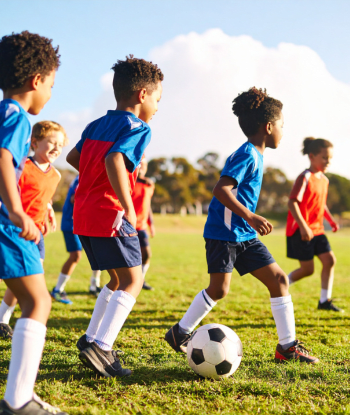
Health and fitness play a key role in learning, focus, and confidence. Regular physical activity helps students manage stress, improve concentration, and build resilience. Sports and physical activities also provide structure and routine, which can be especially helpful at the start of a new semester or after a report card.
Healthy eating adds another layer of learning. Cooking at home allows students to practice reading instructions, measuring ingredients, and planning ahead. Our team loves turning food into learning experiences. Air fryers like the Crispi Pro and personal smoothie blenders like BlendBoss are some of our favourites for making nutritious food approachable and fun.
Teachers on Call has explored the impact of sport through interviews with Jays Care Foundation and Philpott Children's Tennis, highlighting how athletics support inclusion, confidence, and lifelong healthy habits. Read our related blog interviews to learn more about how to help students become more involved in baseball and tennis, while also creating more inclusive and accessible opportunities for student athletes.
Goal #7: Build Friendships – Belonging Through Clubs, Teams, and Activities
Building and maintaining friendships and social connection is an important New Year’s resolution, as it plays a critical role in student confidence, motivation, and overall well-being. When students feel connected at school, they are more likely to participate, take academic risks, and stay engaged in their learning.
Joining clubs, teams, or extracurricular activities is one of the most effective ways for students to build these connections. Whether it is a sports team, music ensemble, robotics club, debate team, or student council, shared interests naturally create opportunities for collaboration and communication. These settings also help students develop teamwork, leadership, and problem-solving skills that support learning in the classroom.
Goal #8: Give Back – Personal Growth Through Volunteering
Giving back is a popular New Year’s goal for many families, making it a meaningful resolution to explore with students as part of their personal growth and learning while contributing to their communities. Giving back helps students develop empathy, responsibility, and perspective, while also strengthening communication, teamwork, and time-management skills.
For younger students, volunteering may involve helping with school initiatives or participating in community events alongside family members. For older students, volunteer experiences often provide leadership opportunities and support provincial high school graduation requirements, scholarships, and post-secondary applications. In addition to helping others, volunteering supports student mental health and wellness by fostering connection, confidence, and a sense of purpose.
At Teachers on Call, we have long championed volunteerism as part of a well-rounded student experience. Our blog regularly highlights how giving back can build confidence, purpose, and long-term personal growth when volunteering is framed as a learning opportunity rather than an obligation.
How to Make New Year’s Learning Resolutions Part of the School Year
New Year’s learning resolutions do not belong to January alone. Whether families are setting goals at back-to-school, revisiting them after report cards, or adjusting them at the start of a new semester, thoughtful goal-setting helps students feel supported and confident.
At Teachers on Call, we believe learning resolutions work best when they focus on habits, progress, and confidence. Through online and in-home tutoring, strong literacy foundations, time management, organization, financial literacy, health, friendships, and community involvement, families can turn New Year’s intentions into meaningful growth and development.
Here’s to a happy New Year filled with curiosity, confidence, and a love of learning.
Related Articles View All
From an 1870s Classroom to a Modern University Campus: Family Learning at Doors Open Markham
Explore Markham’s past and present during Doors Open Markham, with 17 sites offering family-friendly adventures in history, art, architecture, education and culture.
Splashing Into Marine Science: "Octopus Ocean" with Canadian Author Mark Leiren-Young
Dive into the fascinating world of octopuses with Canadian author Mark Leiren-Young. Discover how Octopus Ocean: Geniuses of the Deep brings marine science, animal intelligence and ocean conservation to life for young readers.
From Theoretical Physics to a Ghost Village: Family Learning at Doors Open Waterloo Region
From theoretical physics to a ghost village, discover family-friendly learning adventures at 27 fascinating sites during Doors Open Waterloo Region 2026.
